Be Seen. See Everything.
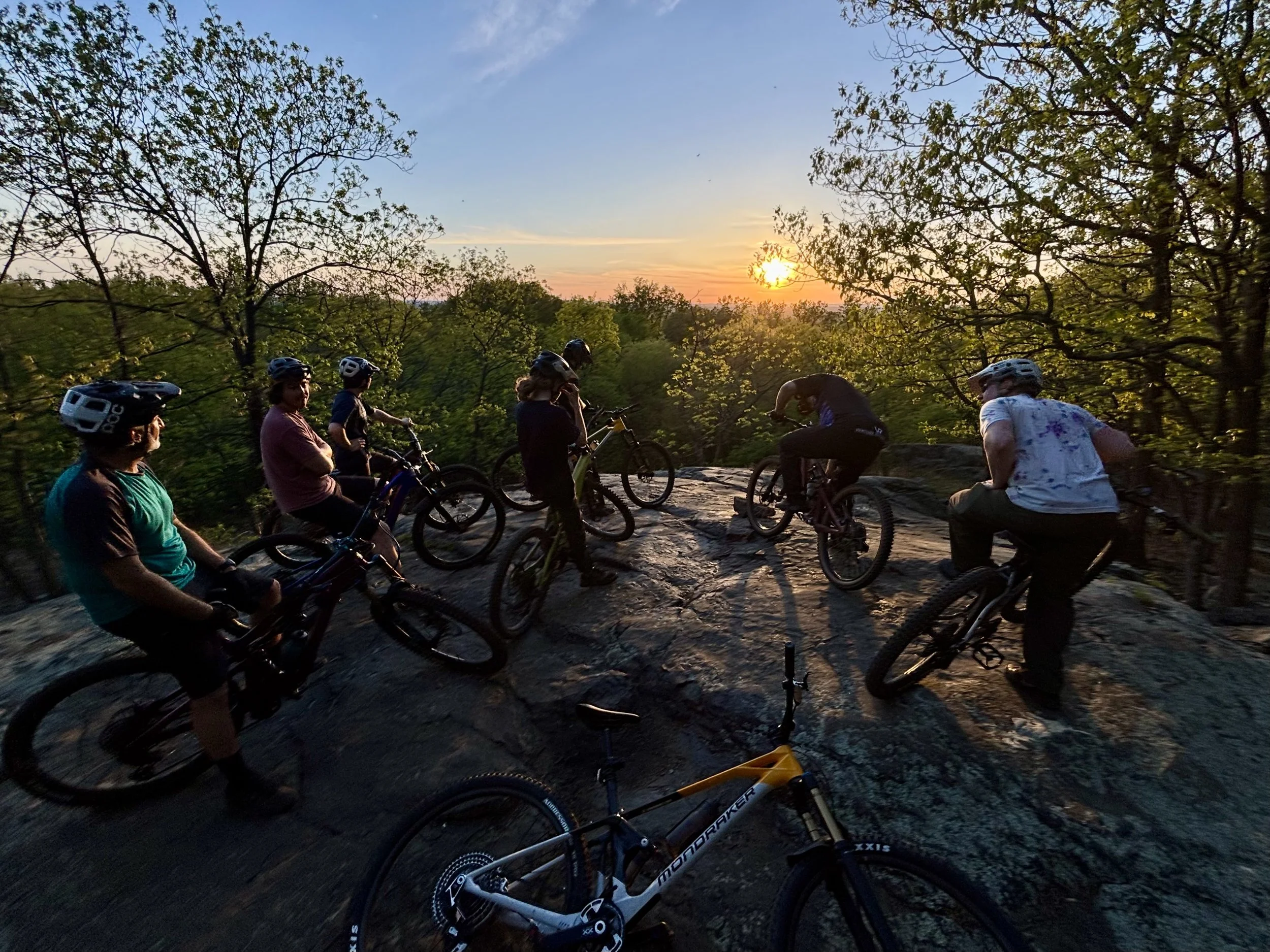
As summer gives way to fall, the days get shorter, the temperatures drop, and some of the best riding of the year begins. Whether you're commuting home from work, squeezing in a late-afternoon gravel ride, or heading into the woods after sunset, one thing becomes increasingly important: your lights.
But not all bicycle lights serve the same purpose. There's a big difference between lights designed to help others see you and lights designed to help you see where you're going. Understanding that difference can make your rides safer, more comfortable, and a whole lot more enjoyable.
At Tenafly Bicycle Workshop, we break bicycle lighting into two categories: BE SEEN and SEE.
BE SEEN: Visibility isn't just for nighttime
One of the biggest misconceptions about bicycle lights is that you only need them when it's dark. In reality, daytime running lights are among the most useful accessories you can put on your bike.
Think about how easily a cyclist can disappear against a background of trees, shadows, parked cars, or busy intersections. A bright, attention-grabbing front light and a properly positioned rear taillight can help approaching motorists recognize you earlier, even in broad daylight.
For daytime visibility, we recommend flashing or pulsing lights designed specifically for daytime use. At night, a steady front beam is generally preferable for illuminating your path, while your rear light should remain clearly visible without blinding riders behind you.
Lezyne and Knog: Small lights, big visibility
Lezyne
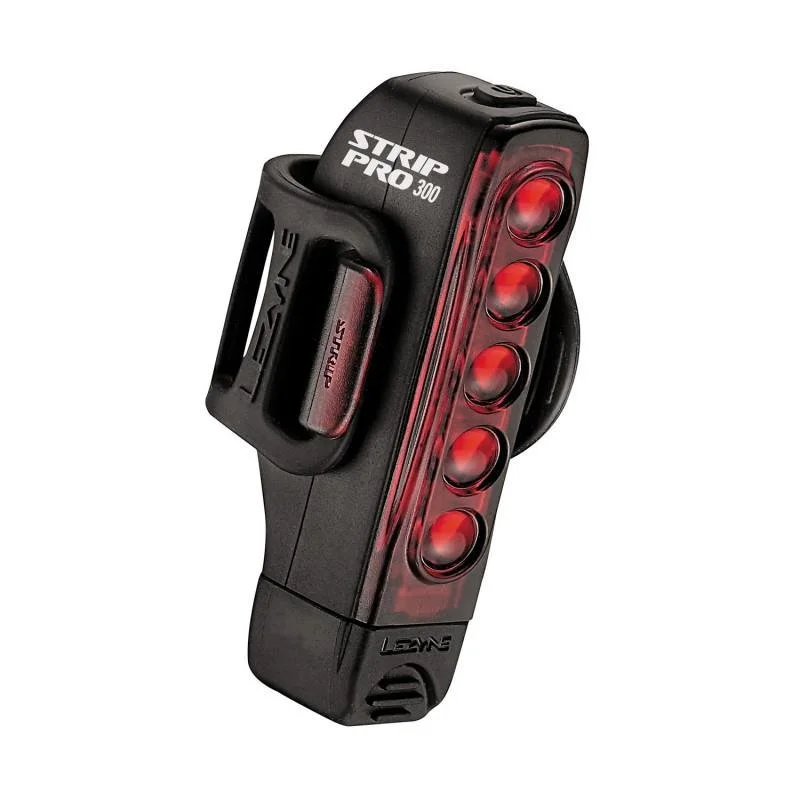
Lezyne offers an extensive range of rechargeable front and rear lights, from compact daytime visibility lights to powerful headlights for commuting and nighttime riding.
Knog
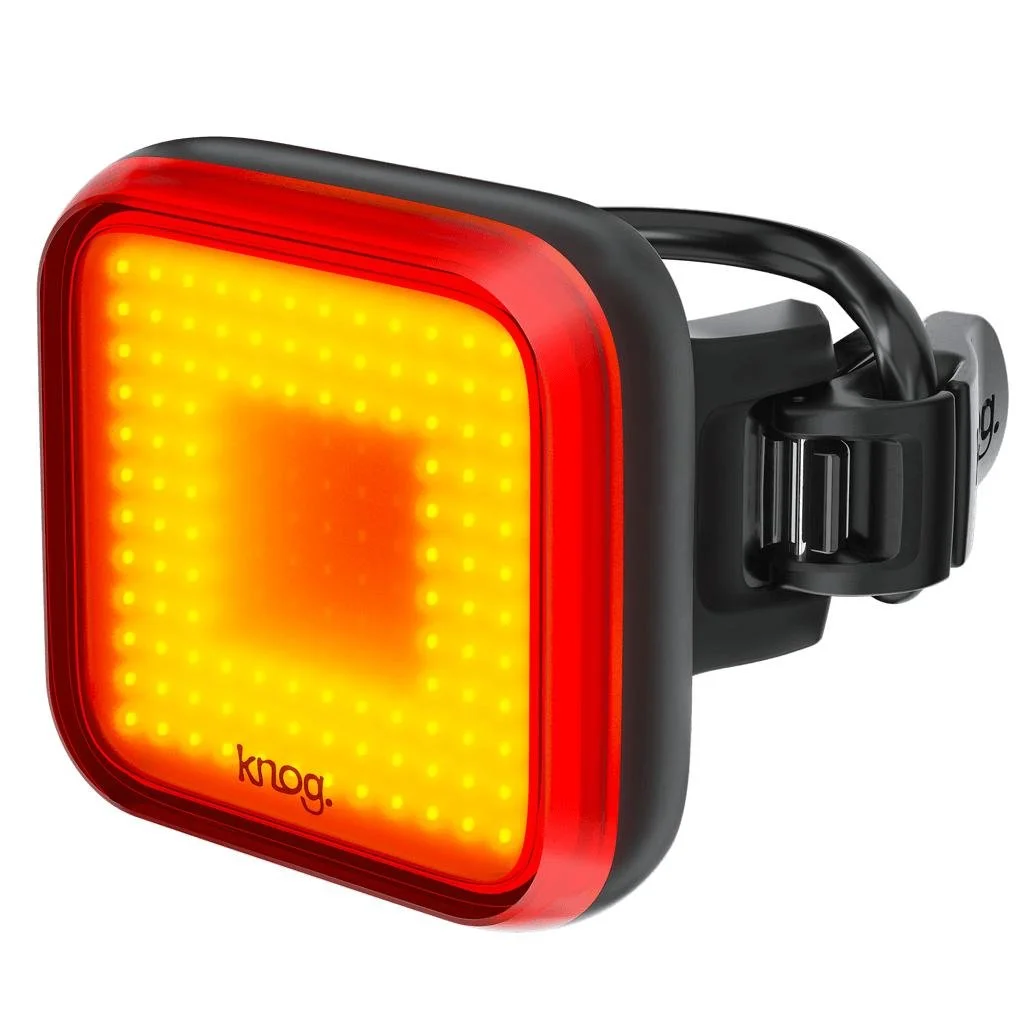
Knog specializes in compact, distinctive lighting solutions. Its Blinder range offers attention-grabbing flash patterns, convenient mounting, and rechargeable designs.
Both brands offer excellent options for riders who want visibility without adding bulky accessories to their bikes. Whether you're riding to work, heading out for a morning road ride, or running errands around town, there's no reason to leave home without lights.
SEE: When the road or trail disappears
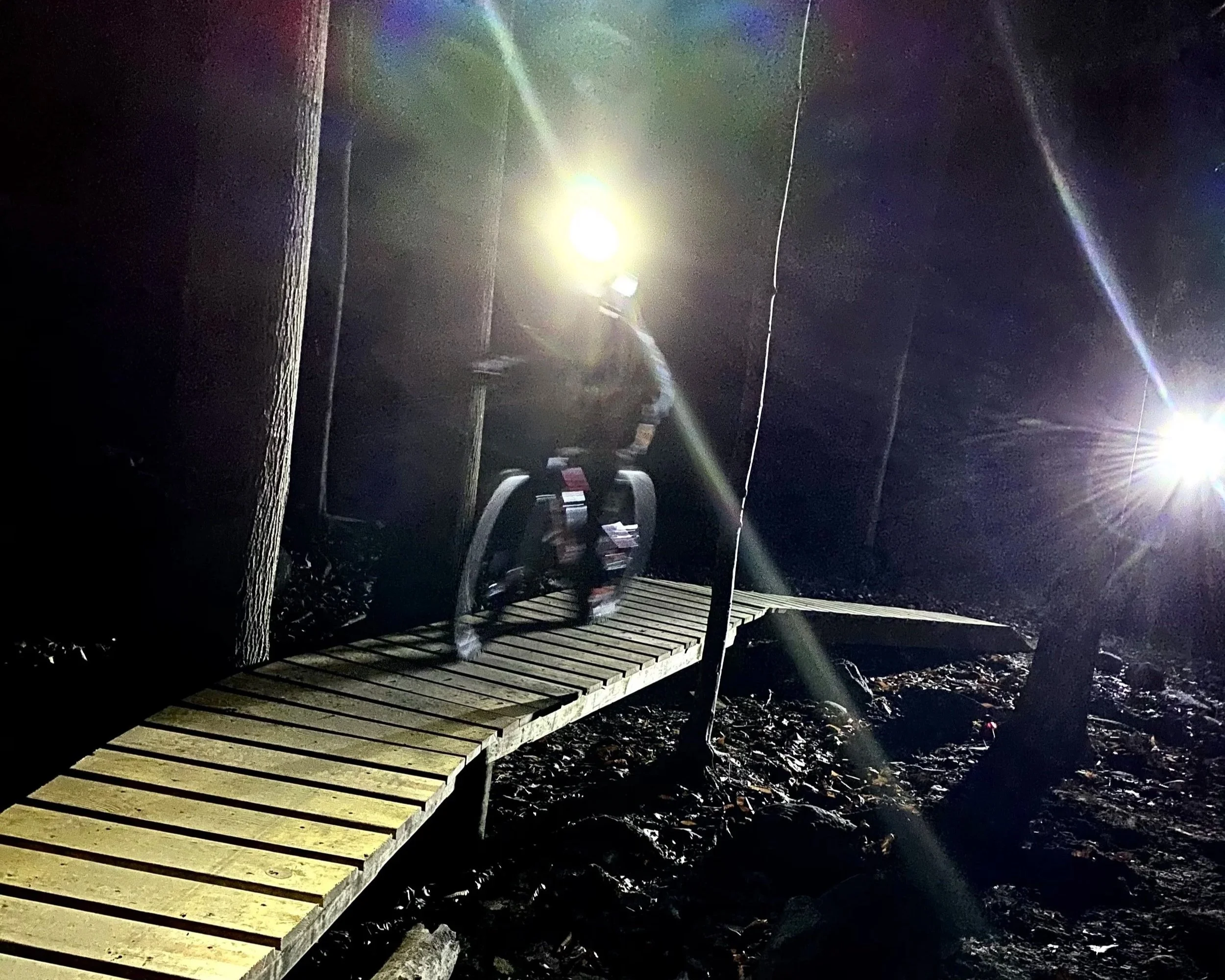
Once the sun goes down, your lighting requirements change dramatically. A small flashing light might make you visible to approaching traffic, but it won't help you identify a pothole, navigate a sharp corner, or spot that unexpected root in the middle of a trail.
This is where dedicated headlights come in.
As we discussed in our earlier article, Let's Get Lit! , we've spent more than a decade experimenting with different nighttime lighting systems. We've learned that brightness is important, but beam pattern, mounting position, battery life, and overall light quality are just as critical.
A light with an impressive lumen rating isn't necessarily going to provide the best riding experience. How that light is distributed across the road or trail makes an enormous difference.
Outbound Lighting: It's all about the beam
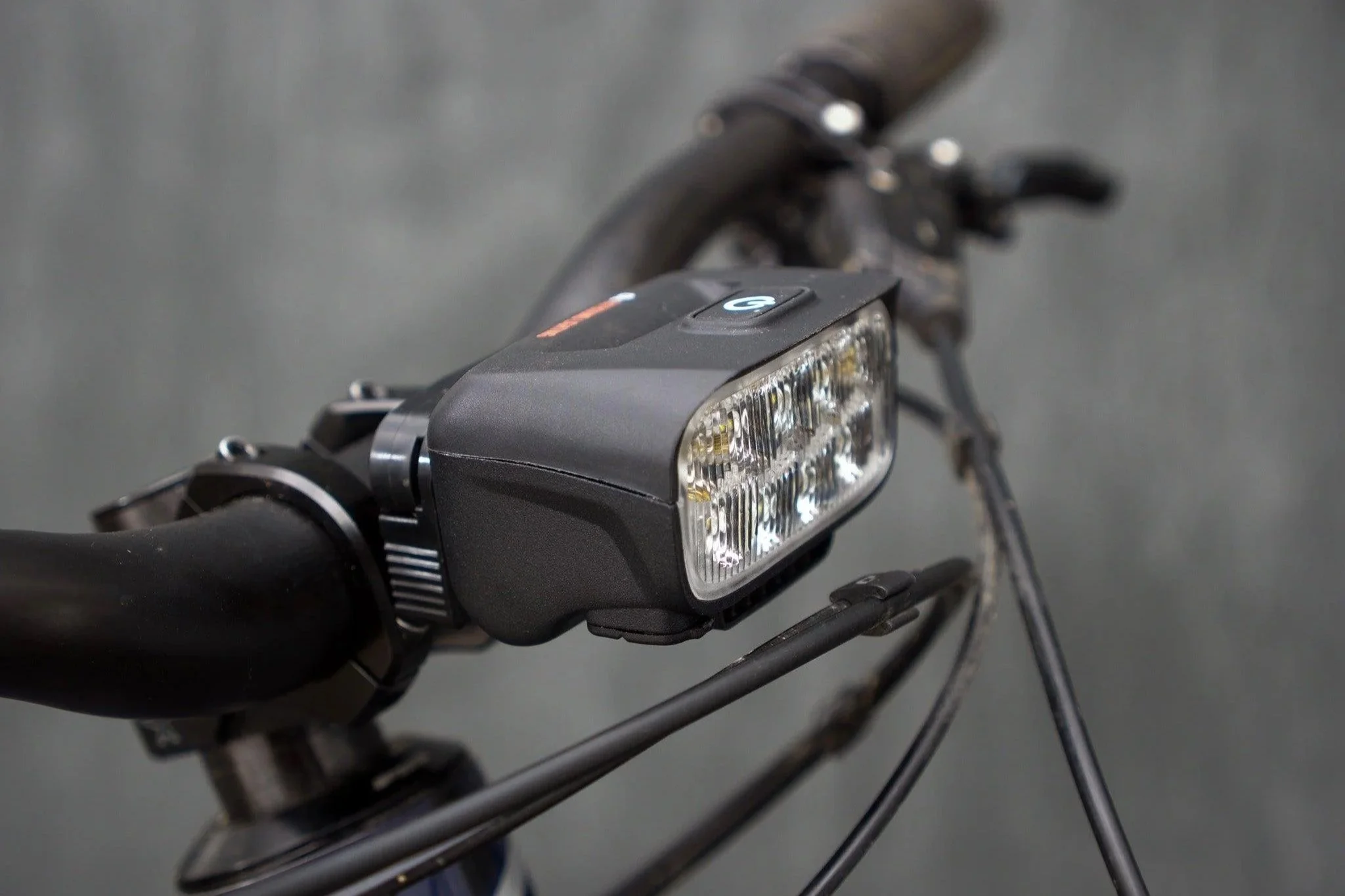
One of our featured lighting brands is Outbound Lighting. Designed and assembled in the USA, Outbound approaches bicycle lighting using automotive-inspired optical engineering rather than simply chasing the highest possible lumen numbers.
Its lighting systems are purpose-built for different riding environments.
Outbound Lighting
For mountain biking, our preferred setup combines two lights:
Trail Evo: A handlebar-mounted light with a wide, evenly distributed beam that illuminates the trail directly in front of you, including corners and obstacles.
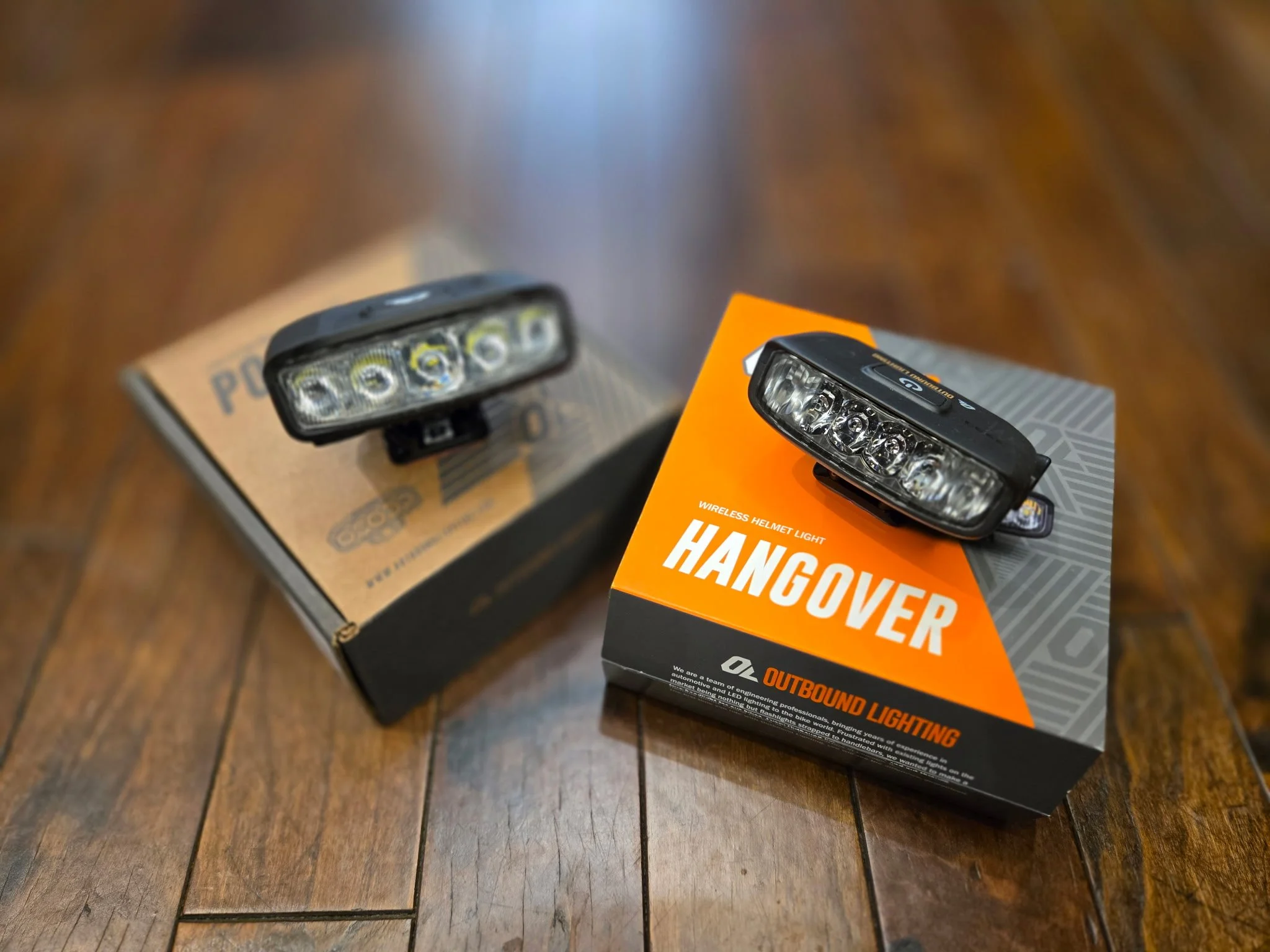
Hangover or Portal: Helmet-mounted lights that illuminate wherever you're looking, allowing you to see through turns and farther down the trail.
The combination is particularly effective because your handlebar light creates shadows that help you judge terrain, while your helmet light illuminates wherever your head turns. The Portal provides additional output and reach for faster, more demanding riding.
For road and gravel riders, Outbound's Detour offers a different approach. Its automotive-inspired cutoff beam concentrates light on the road while reducing glare for approaching motorists and cyclists.
The takeaway? Don't just shop for lumens. Shop for a light designed for the kind of riding you actually do.
Rear radar lights: Knowing what's behind you
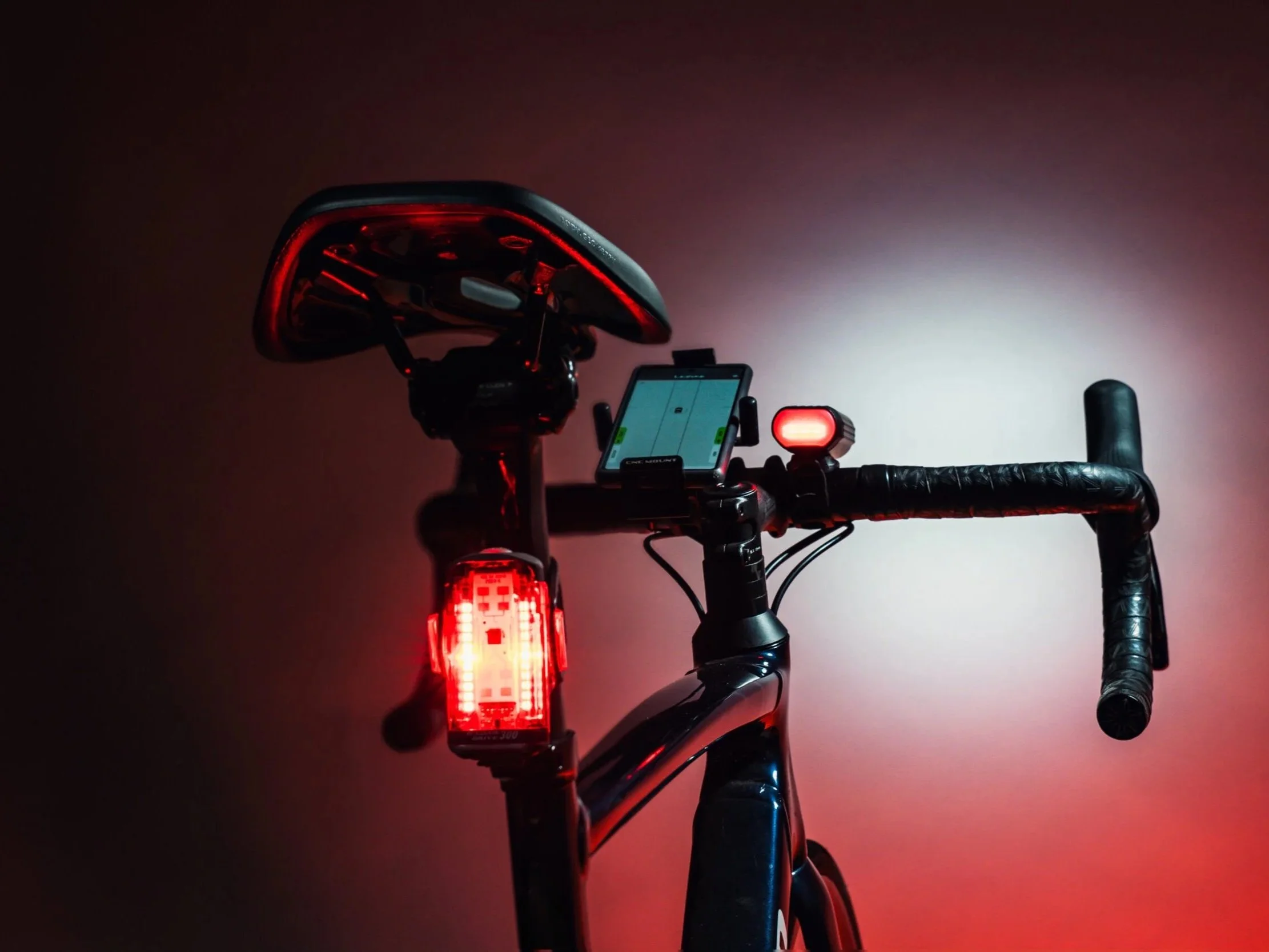
Rear radar-taillights are one of the more interesting developments in bicycle safety technology. These devices combine a traditional rear light with radar that detects vehicles approaching from behind.
Rather than constantly looking over your shoulder, you can receive alerts through a compatible cycling computer, smartphone, or dedicated device. Some systems also adjust their rear flashing pattern when an approaching vehicle is detected.
Lezyne's Radar Drive Rear, for example, can detect approaching vehicles from up to 150 meters away and features a powerful 300-lumen daytime flash. It can communicate with compatible GPS computers, Lezyne's Radar Ally app, or the React Drive front light.
A radar doesn't replace mirrors, shoulder checks, or awareness of your surroundings. It simply gives you another source of information, particularly useful on busy roads or long solo rides.
Choosing the right setup
You don't necessarily need the biggest, brightest, or most expensive lighting system. You need the right lights for where and when you ride.
Remember to consider battery runtime at the brightness you'll actually use. A light that lasts ten hours on its lowest setting might only last an hour or two at maximum output. Secure mounting and convenient charging are equally important.
Don't get caught in the dark
The best lighting setup is the one you actually use. Keep your lights charged, make sure your rear light isn't hidden behind a saddlebag, and aim your headlight so you're illuminating the road rather than blinding oncoming traffic.
And don't wait until sunset to turn them on. Rain, fog, shadows, and low-angle sunlight can all make cyclists harder to see.
Whether you're looking for a simple set of daytime running lights from Lezyne or Knog, a full Outbound Lighting system for nighttime mountain biking, or a radar-equipped taillight for your next road ride, stop by Tenafly Bicycle Workshop. We'll help you find the right combination for your bike and your riding.
Because being seen is important. Seeing where you're going is just as important. And riding after dark should be fun.