Full-Power or Lightweight? Choosing the Right E-Mountain Bike
E-mountain bikes have evolved quickly. A few years ago, choosing an eMTB mostly meant deciding how much travel you wanted and which brand you preferred. Today, there’s another important question:
Do you want a lightweight/light-assist eMTB or a full-power eMTB?
Neither is necessarily better. They simply provide very different riding experiences—and where you ride may be just as important as how much power you want.
At the WORKSHOP, we like to think of it this way:
Do you want a mountain bike that uses a motor to enhance what you can do, or an electric mountain bike that maximizes what the motor can do?
That distinction becomes especially important here in the Northeast. Our trails can be tight, rocky and technical, with constant changes in direction, short punchy climbs, awkward rock features and very little room for error. Outside of the mountain states, climbs are generally shorter while longer sustained climbs are less frequent than out West.
On this type of terrain, lighter weight and maneuverability can sometimes be more useful than maximum motor power.
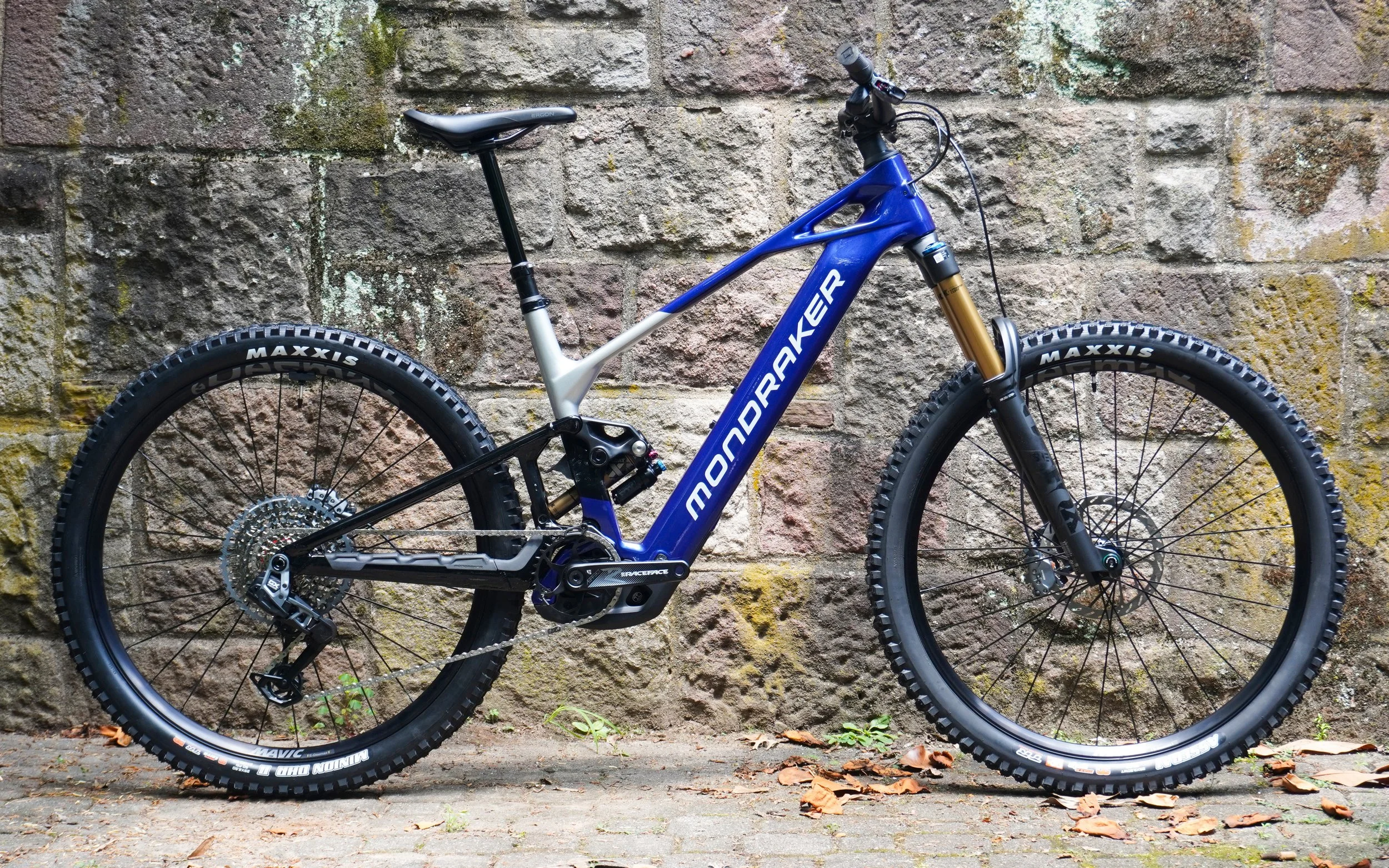
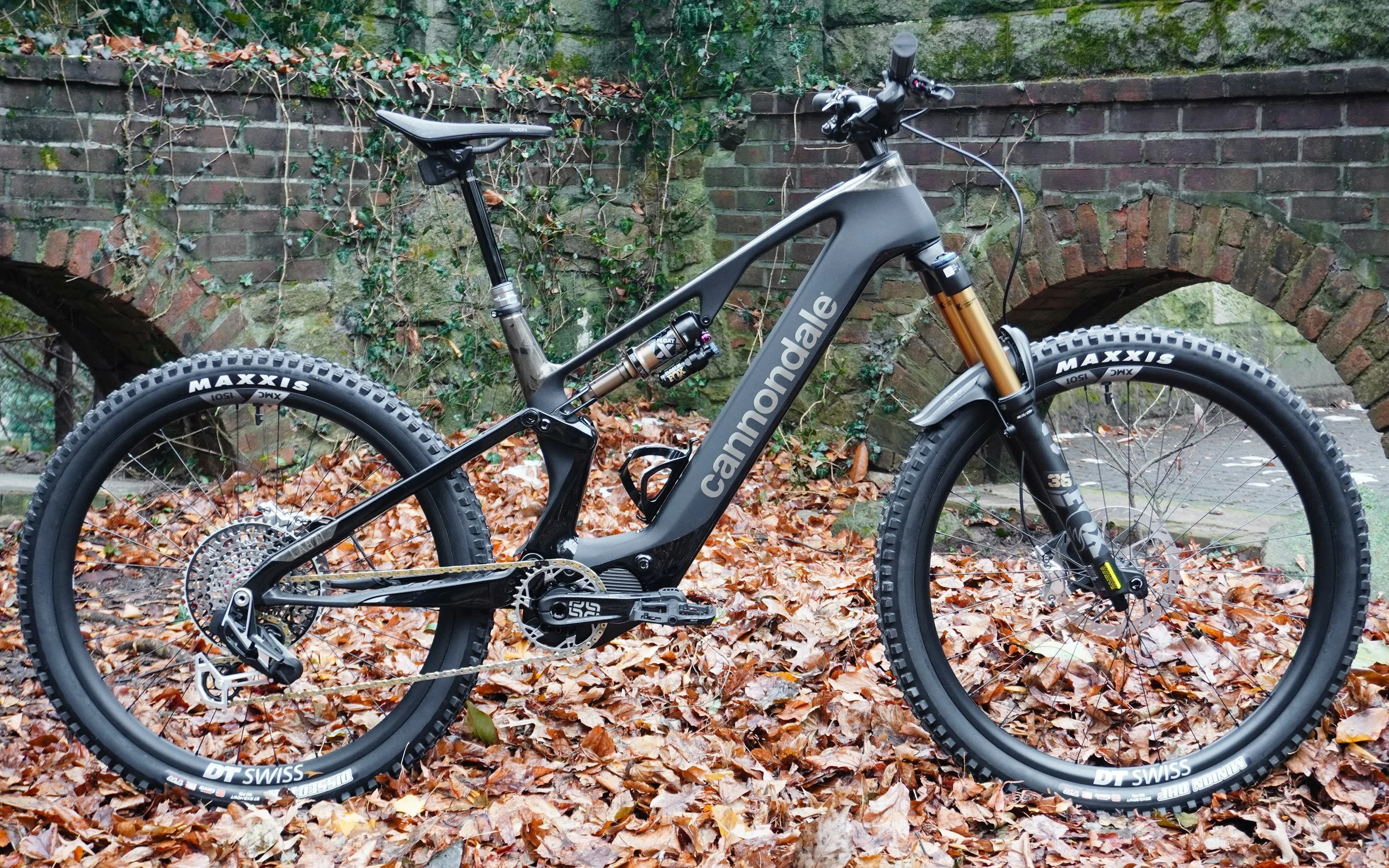
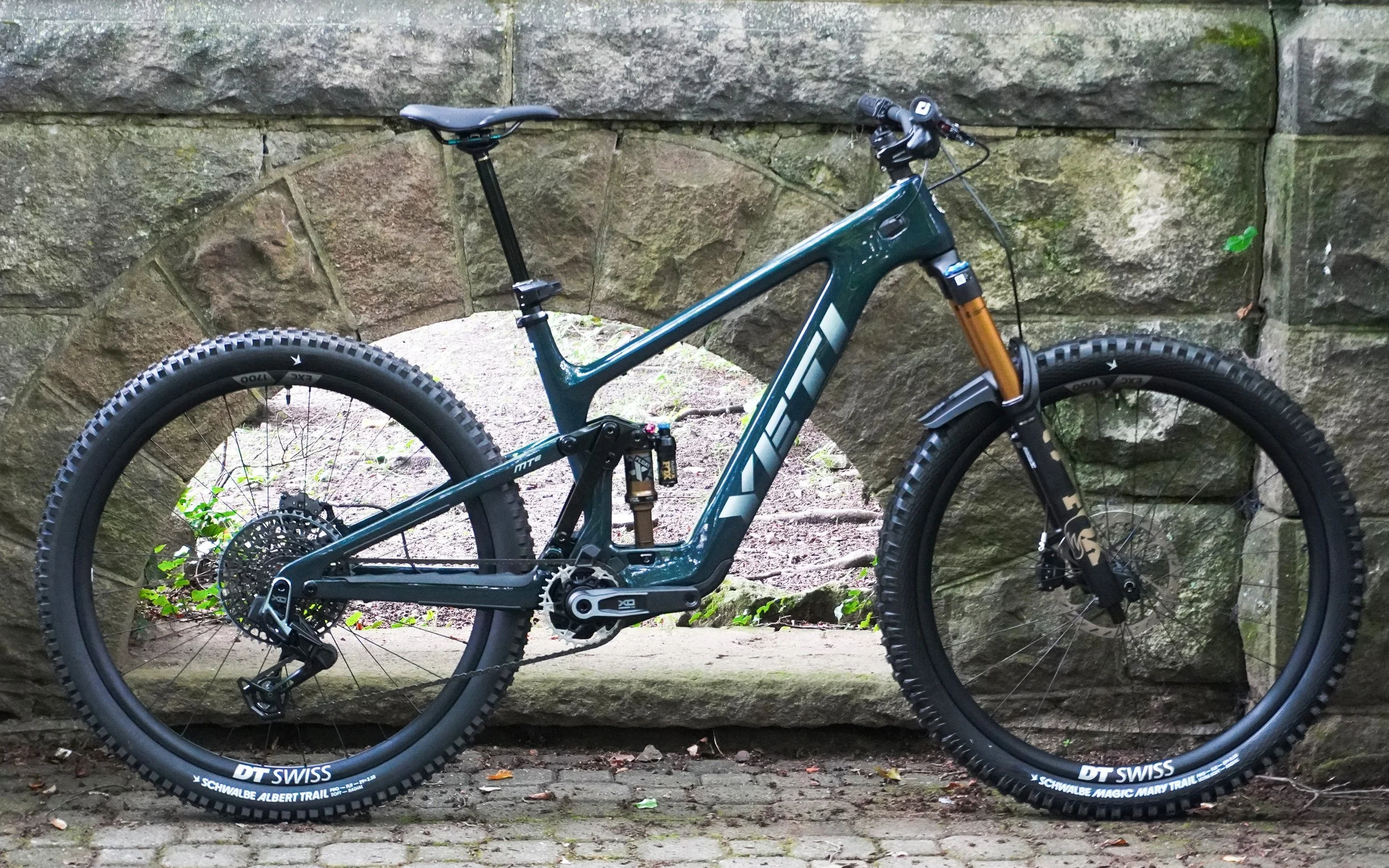
That's why many riders tackling our more difficult local trails (Ringwood, Sterling, Stephens, etc) gravitate toward lightweight/light-assist bikes like the Yeti MTe, Cannondale Moterra, Orbea Rise and Orbea Rallon RS, while full-power machines like the Mondraker Zendit, Ibis Oso and Yeti LTe excel when maximum climbing ability, range and repeated laps become the priority (Port Jervis, Wheelervile, etc).
LIGHTWEIGHT / LIGHT-ASSIST: THE MOUNTAIN BIKE COMES FIRST
Lightweight/light-assist (A.K.A. mid-powered) eMTBs start with a simple philosophy:
How much assistance can we add without losing what we love about riding a mountain bike?
These bikes generally use smaller motors and batteries to reduce overall weight. The goal isn't to climb as fast as possible. It's to preserve the movement, responsiveness and handling of a traditional mountain bike while giving the rider some extra help.
And on technical terrain, that difference can be significant.
WHY LIGHTER CAN BE BETTER ON TECHNICAL TRAILS
More motor and more battery inevitably add weight.
On open climbs, fire roads and faster terrain, that additional weight may not be much of a disadvantage. In fact, the stability of a heavier bike can sometimes be beneficial.
But slow the trail down and things change.
On tight, technical trails, you're constantly accelerating, braking, changing direction, lifting the front wheel, negotiating rocks and repositioning the bike underneath you.
A heavier full-power eMTB can begin to feel more unwieldy in these situations. Once 50-plus pounds of bike starts moving in the wrong direction, it requires considerably more rider input to bring it back.
A lighter eMTB is generally easier to:
Change direction quickly
Lift over rocks and logs
Move underneath your body
Correct when you get off line
Navigate tight switchbacks
Handle through slow, awkward technical sections
That's particularly relevant to the riding around northern New Jersey and the lower Hudson Valley, where many of our more difficult trails aren't especially fast—they're technical.
Rock gardens, ledges, roots, tight trees and repeated low-speed moves can reward maneuverability more than outright motor power.
For riders spending most of their time on this type of terrain, less bike can sometimes mean more capability.

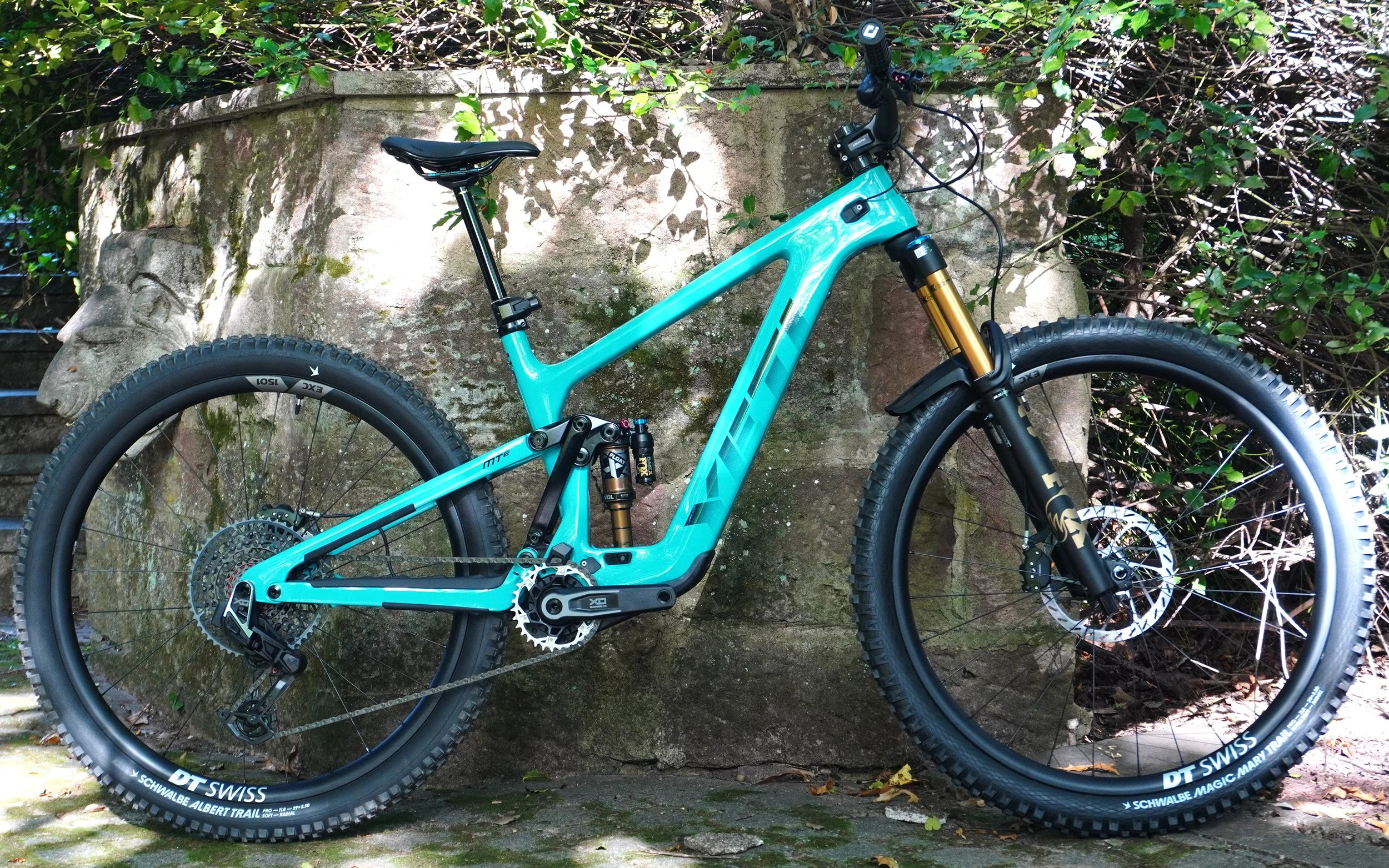
YETI MTe: LIGHTWEIGHT WITH REAL ASSISTANCE
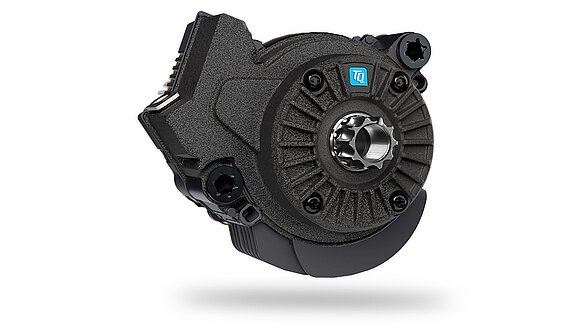
The Yeti MTe uses the compact TQ HPR60 motor, producing 60Nm of torque and up to 350 watts of power.
Rather than trying to replicate the climbing performance of a full-power eMTB, Yeti uses the smaller TQ system to keep the entire bike light and responsive.
You still have to pedal.
You still have to manage momentum.
And you still have to ride the bike.
But when the trail turns uphill, somebody has quietly turned up your legs.
For riders coming from a traditional trail or enduro bike, this can make the transition to an eMTB feel remarkably natural.
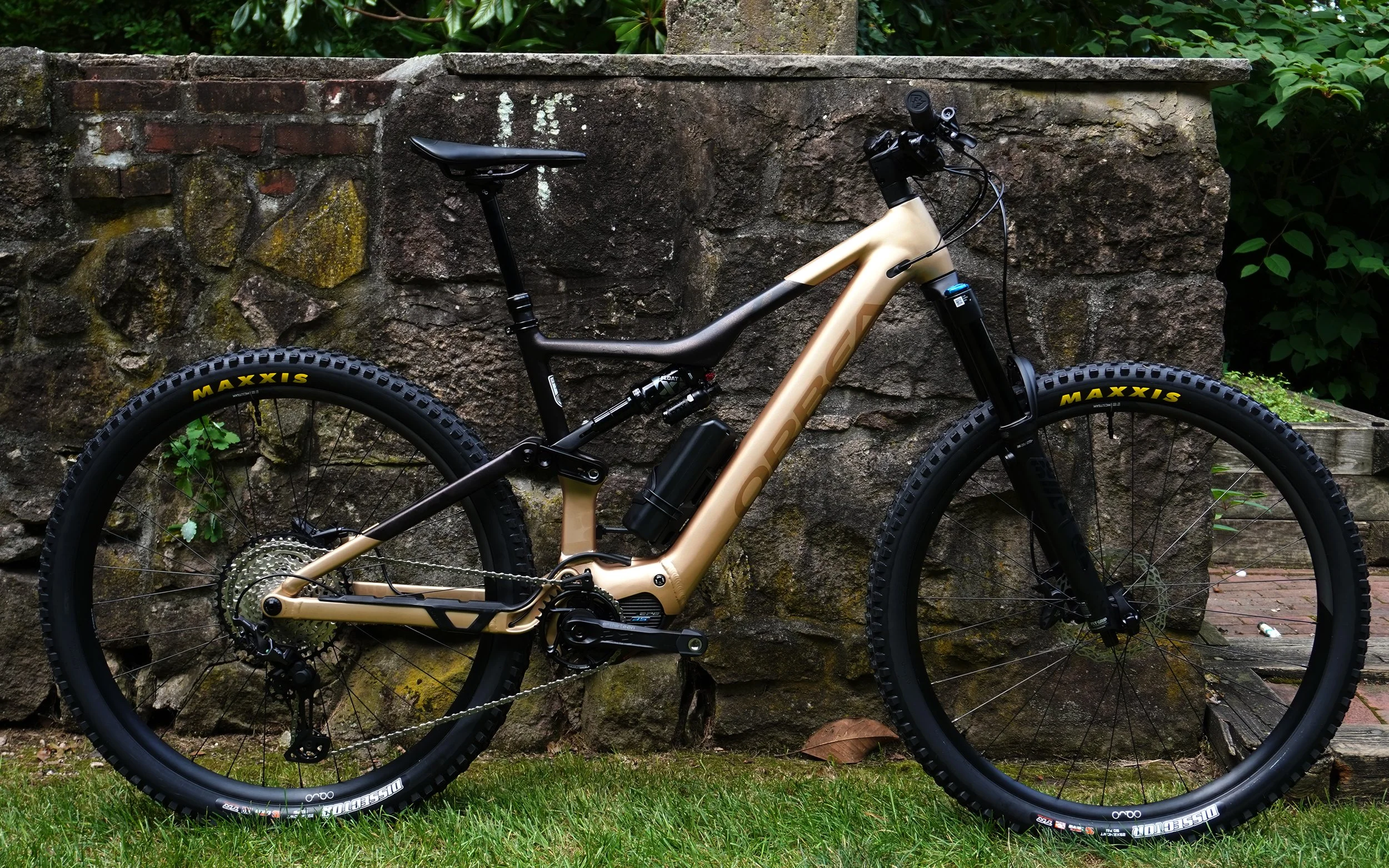
ORBEA RISE: BLURRING THE CATEGORIES
The Orbea Rise is one of the most interesting bikes in this conversation because it challenges the traditional definition of "light-assist."
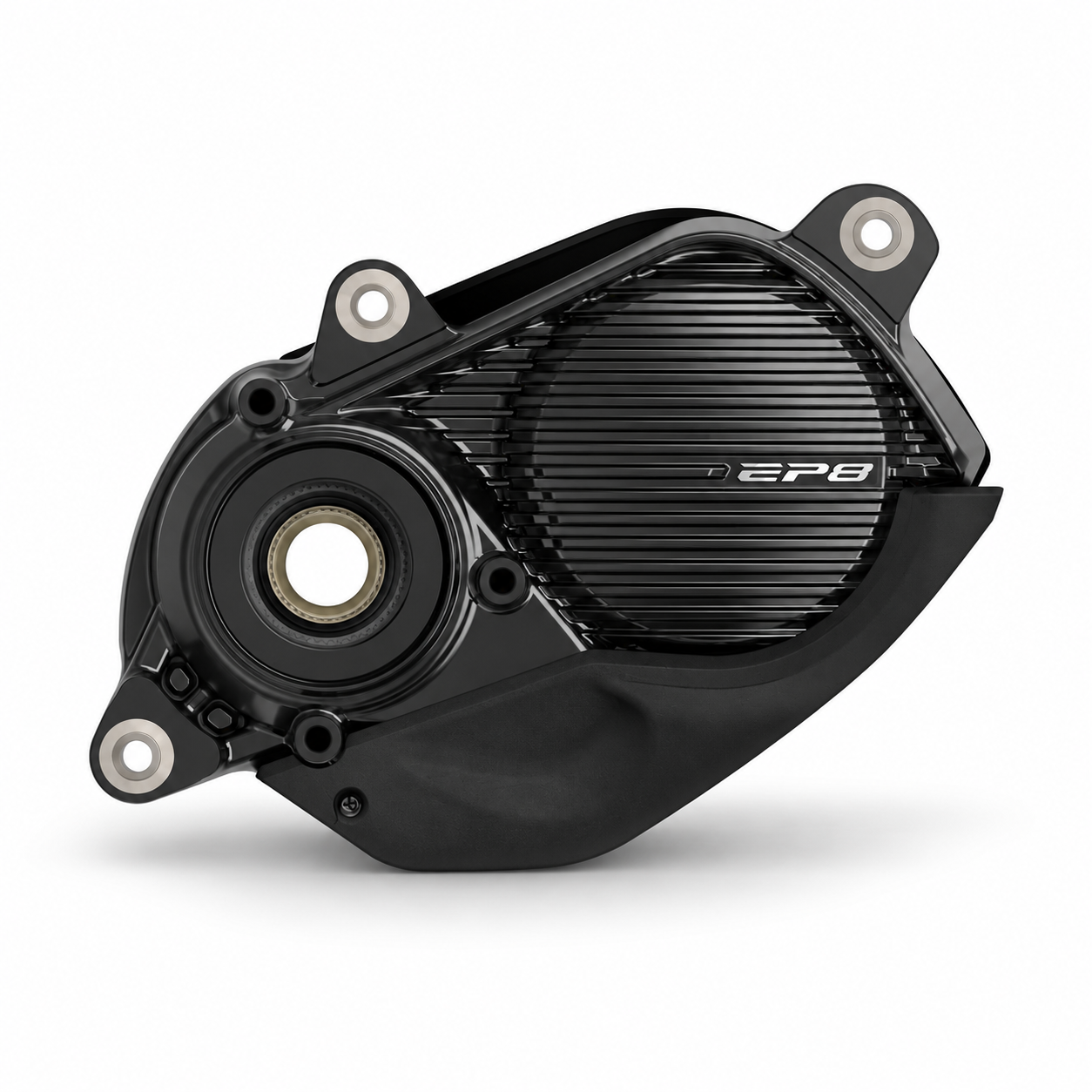
Its Shimano EP801 RS Gen2 system allows riders to choose between RS with 60Nm of torque and RS+ with up to 85Nm.
That means the Rise can provide substantial assistance while still being designed around Orbea's lightweight, natural-feeling philosophy.
Different battery configurations also allow riders to prioritize lower weight or greater range.
For many riders, that puts the Rise right in the sweet spot: a maneuverable eMTB that retains much of the character of a traditional mountain bike without giving up significant climbing assistance.
It sits right in the middle of the lightweight and full-power conversation—and that's exactly what makes it so versatile.
ORBEA RALLON RS: JUST ENOUGH MOTOR
Then there's the Orbea Rallon RS, which takes the light-assist philosophy even further.
The Rallon RS uses the compact TQ HPR40, producing 40Nm and 200 watts of maximum assistance.
On paper, those numbers might look small.
That's the point.
The Rallon RS isn't trying to behave like a traditional eMTB. It's essentially a serious long-travel enduro bike with a small, quiet motor built into it.
Rather than pulling you up the mountain, the system amplifies your effort.
For a strong rider who wants help extending the ride without sacrificing the handling characteristics of an enduro bike, that's an extremely compelling concept.
You're still doing the work. You're just having a better day.
LIGHT-ASSIST DOESN'T NECESSARILY MEAN LOW POWER
This is where modern eMTBs get interesting.
Rallon RS: 40Nm.
Yeti MTe: 60Nm.
Orbea Rise: up to 85Nm.
Yet all three belong in the lightweight/light-assist conversation.
That's because torque alone no longer defines the category.
Motor weight, battery size, total bike weight, power delivery and—most importantly—how the bike handles all matter.
For us, that's the key distinction:
On a lightweight/light-assist eMTB, the mountain bike should still be the star of the show. The motor is there to help.
FULL-POWER: MORE MOTOR, MORE RANGE, MORE LAPS
Now let's go in the other direction.
Full-power eMTBs are built around powerful motors and larger-capacity battery systems that allow riders to maximize climbing assistance, elevation and mileage.
The advantages can be enormous.
Steep climbs become dramatically easier. Long approaches become shorter. One loop can become two or three. And in areas with sustained climbing and descending, a full-power eMTB can essentially become your personal shuttle vehicle.
For riders who want to cover maximum terrain in a limited amount of time, it's hard to argue against them.
But that performance comes with a trade-off:
More motor and more battery generally mean more weight.
WHEN FULL-POWER GETS HEAVY
Weight doesn't tell you everything about how a bike rides, and modern suspension design, geometry and weight distribution have made full-power bikes remarkably capable.
But physics still matters.
On wider, faster and more open terrain, a heavier eMTB can feel incredibly planted and stable.
Put that same bike onto a slow, tight technical trail and the experience can change.
When you're threading between rocks and trees, hopping a front wheel onto a ledge or trying to quickly change lines in a rock garden, the additional mass of a full-power bike can require noticeably more effort.
The motor helps tremendously when you're pedaling uphill.
It doesn't make the bike lighter when you need to move it sideways.
That's an important distinction when choosing an eMTB for our local terrain.
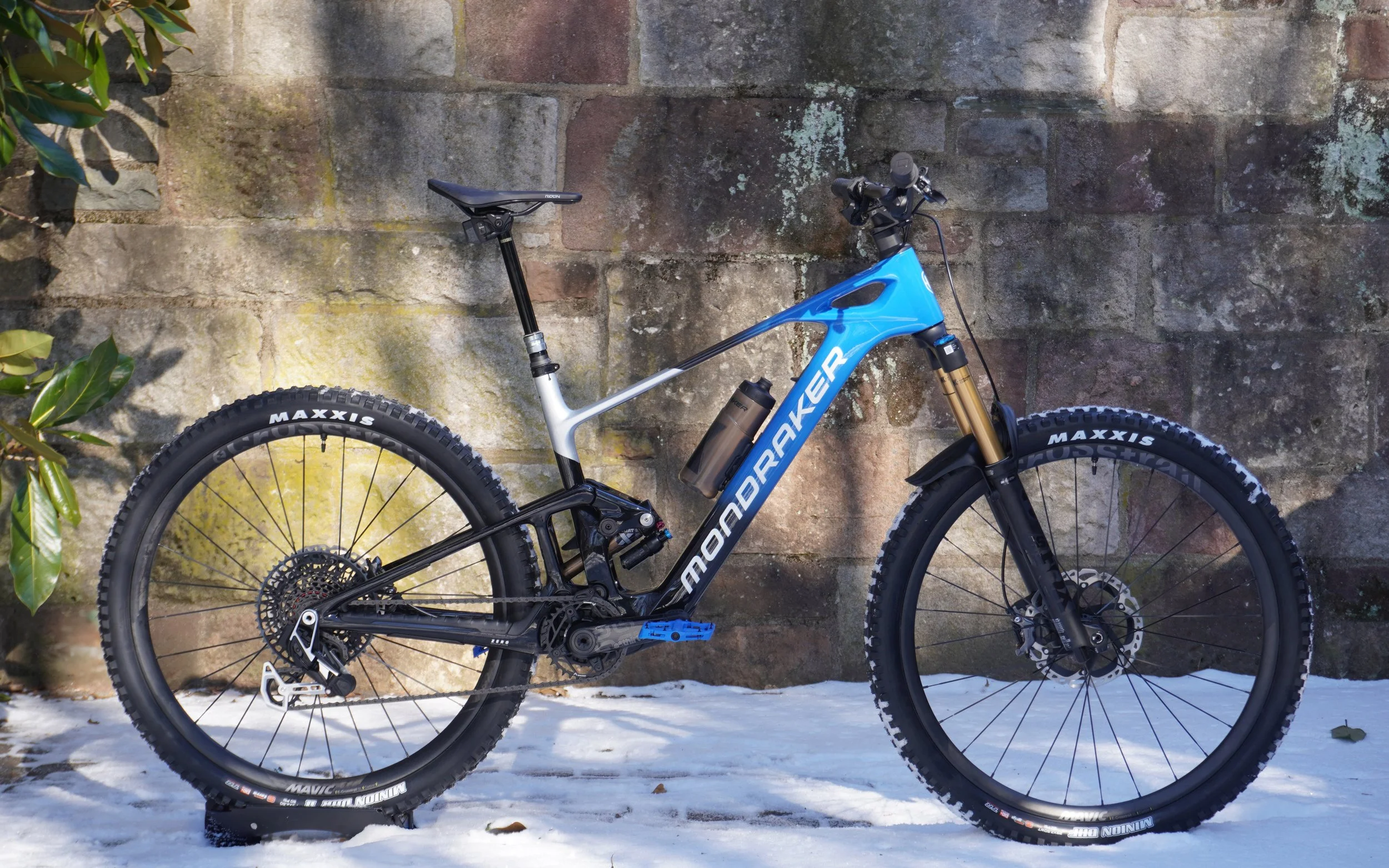
MONDRAKER ZENDIT: MAXIMUM POWER
The Mondraker Zendit represents the high-power end of modern eMTBs.
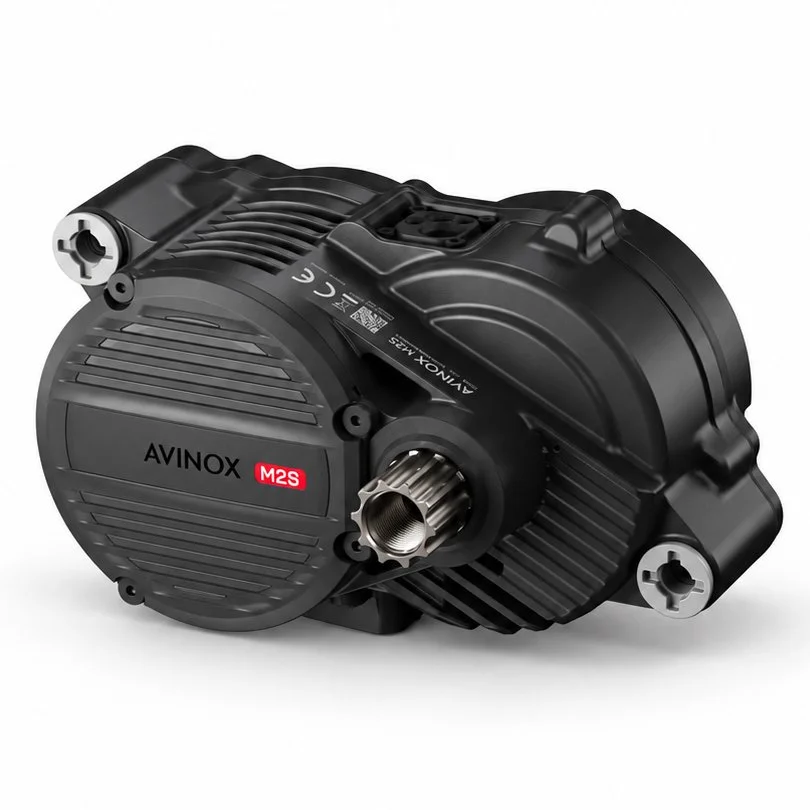
Its Avinox M2S system delivers extraordinary power from a relatively compact package, giving riders huge climbing capability and the ability to cover a tremendous amount of terrain.
Technical climbs can become almost as entertaining as descents.
For riders who want to maximize mileage, elevation and laps—or who regularly ride terrain with sustained climbs—the Zendit makes a compelling argument.
If your philosophy is "If I'm getting a motor, give me a motor," this is your kind of bike.
BOSCH CX: FULL POWER WITH A DIFFERENT PERSONALITY
The Ibis Oso and Yeti LTe take a slightly different approach using the Bosch Performance Line CX platform.
Bosch provides serious full-power assistance while maintaining excellent control and a mature motor and battery ecosystem.
Ibis Oso
The Ibis Oso is particularly interesting because Ibis combines full Bosch power with its mountain-bike handling philosophy.
The modular Oso platform allows riders to choose a configuration based on terrain and riding style rather than treating every full-power rider the same.
It's also a good example of how manufacturers are working to reduce the traditional compromises associated with full-power bikes through geometry, suspension design, battery placement and weight distribution.
Yeti LTe
The Yeti LTe approaches full power from an aggressive trail and enduro perspective.
With Bosch power and a chassis designed for serious descending, it's built around big terrain, big climbs and repeated laps.
Think of the LTe as an enduro bike where the chairlift travels with you.
For riders who prioritize aggressive descending and want to maximize the number of runs they can get in, the concept makes tremendous sense.
SO WHICH ONE SHOULD YOU BUY?
Start by asking yourself where you ride, not how much motor you can buy.
If your trails are tight, rocky, technical and filled with low-speed features, a lightweight/light-assist bike may actually make you a happier—and potentially more confident—rider.
The Orbea Rallon RS puts handling first and provides just enough assistance to extend the ride.
The Yeti MTe adds more assistance while retaining an impressively light and natural-feeling platform.
The Orbea Rise pushes farther toward full-power capability while maintaining much of the handling and responsiveness riders want from a lighter eMTB.
For many riders on our local technical trails, this is the category we find ourselves gravitating toward.
If your priority is maximum climbing assistance, longer distances, sustained elevation, repeated laps or simply covering as much trail as possible, full-power starts to make more sense.
The Ibis Oso and Yeti LTe combine Bosch CX power with serious trail and enduro capability.
And the Mondraker Zendit pushes the full-power philosophy even further with the tremendous output of the Avinox M2S system.
THE BOTTOM LINE
Don't choose an eMTB simply by looking for the biggest torque number.
Choose it for your terrain.
On open terrain, long climbs and big-mileage rides, the range and climbing ability of a full-power eMTB can be transformative.
On tight, rocky and highly technical trails, the additional weight of a full-power bike can become more noticeable, and a lighter, more maneuverable eMTB may ultimately be more fun to ride.
That's particularly true here in the Northeast.
Our trails often reward precision, maneuverability and bike handling as much as outright power.
So the question isn't:
"Which eMTB has the most power?"
It's:
"Which eMTB will be the most fun on the trails I actually ride?"
At Tenafly Bicycle Workshop, that's the conversation we'd rather have.
Motor specifications can tell you a lot.
But they can't tell you how a bike feels on the trail.