The Touch Points Series - Your Butt Doesn't Lie: Choosing the Right Bicycle Saddle
Every bicycle has three primary touch points: your feet, your hands, and your backside. In our previous Pedal Perfect blog, we covered how the right pedals and shoes improve your connection to the bike through your feet. In this two-part series, we'll focus on the remaining touch points—your saddle, grips, and bar tape—and explain how choosing the right fit can improve comfort, control, and your overall riding experience.
Part 1:
If you've ever finished a ride with a sore backside, you're not alone. One of the biggest misconceptions in cycling is that more padding equals more comfort.
In reality, that's often exactly the opposite.
The goal of a bicycle saddle isn't to feel like your living room couch. It's to properly support your body while allowing you to pedal efficiently and comfortably for hours.
It's All About Your Sit Bones
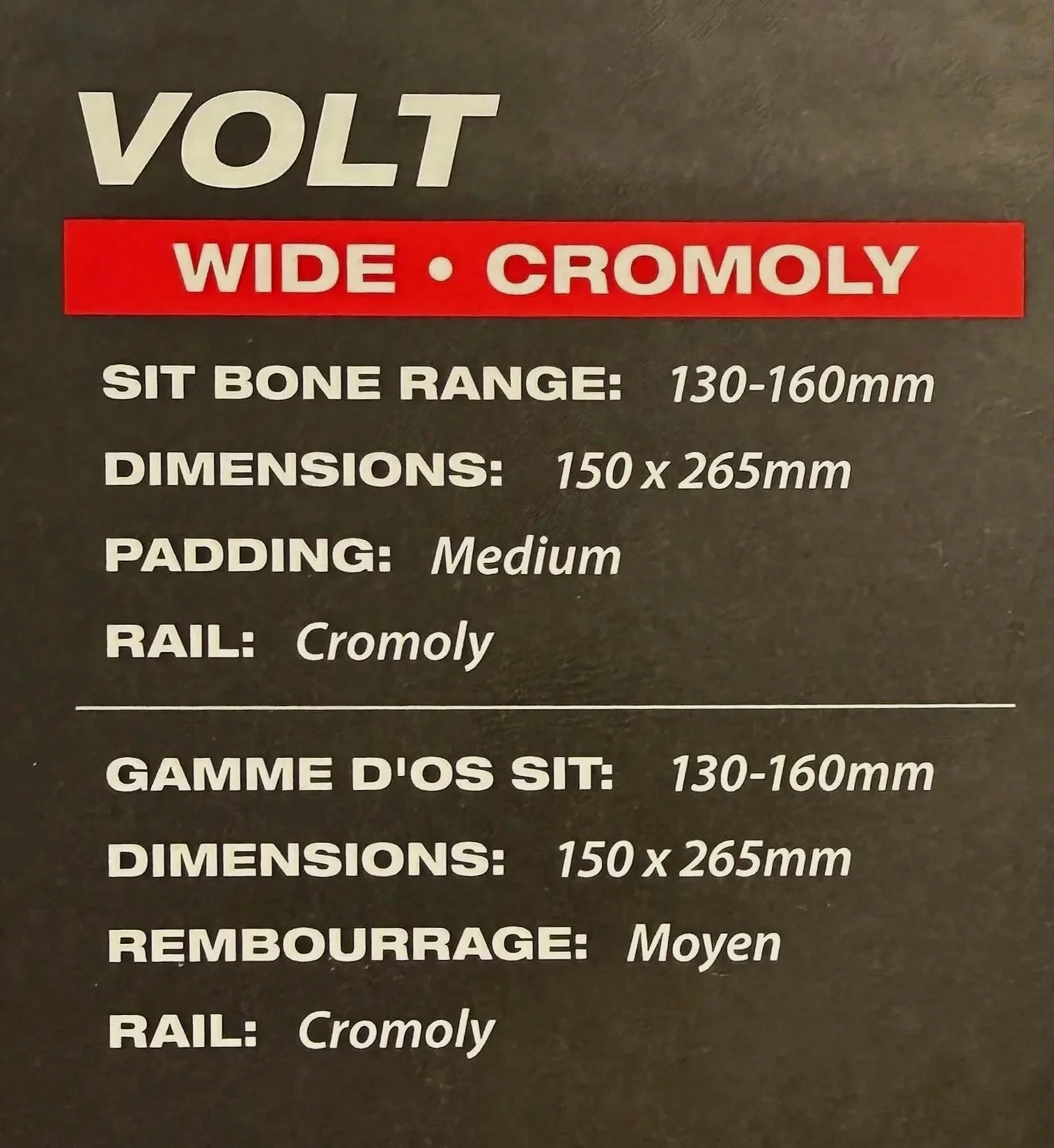
Some brands give you a sit bone range on their saddle packaging.
Your weight should be supported by your ischial tuberosities, better known as your sit bones.
The distance between these bones varies tremendously from person to person—and here's the surprising part:
Your body size has very little to do with your sit bone width.
We've measured petite riders with wide sit bones and large riders with narrow ones. Height, weight, and clothing size simply aren't reliable indicators.
That's why professional saddle fitting matters.
Why Softer Isn't Always Better
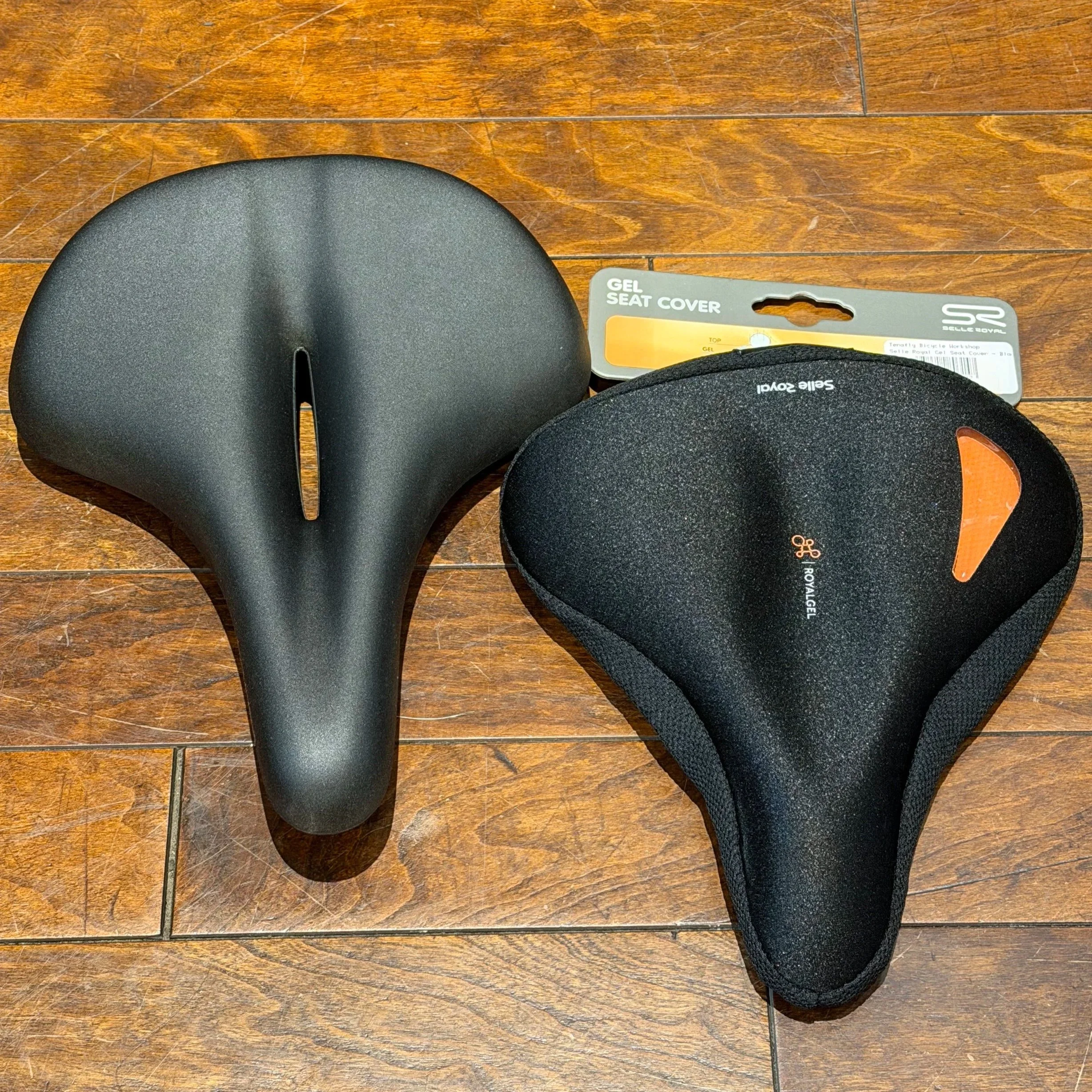
Cushy saddles and seat covers are not always the answer for backside soreness.
When riders experience discomfort, their first instinct is usually to buy a softer saddle.
Unfortunately, extra cushioning often creates new problems.
As thick foam compresses, your sit bones sink deeper into the saddle. Instead of being supported by bone, pressure shifts into soft tissue where nerves and blood vessels live.
The result?
Numbness
Chafing
Hot spots
Increased pressure
More discomfort on longer rides
Ironically, a firmer saddle that properly matches your anatomy is often significantly more comfortable.
Saddle Shape Matters More Than Cushion
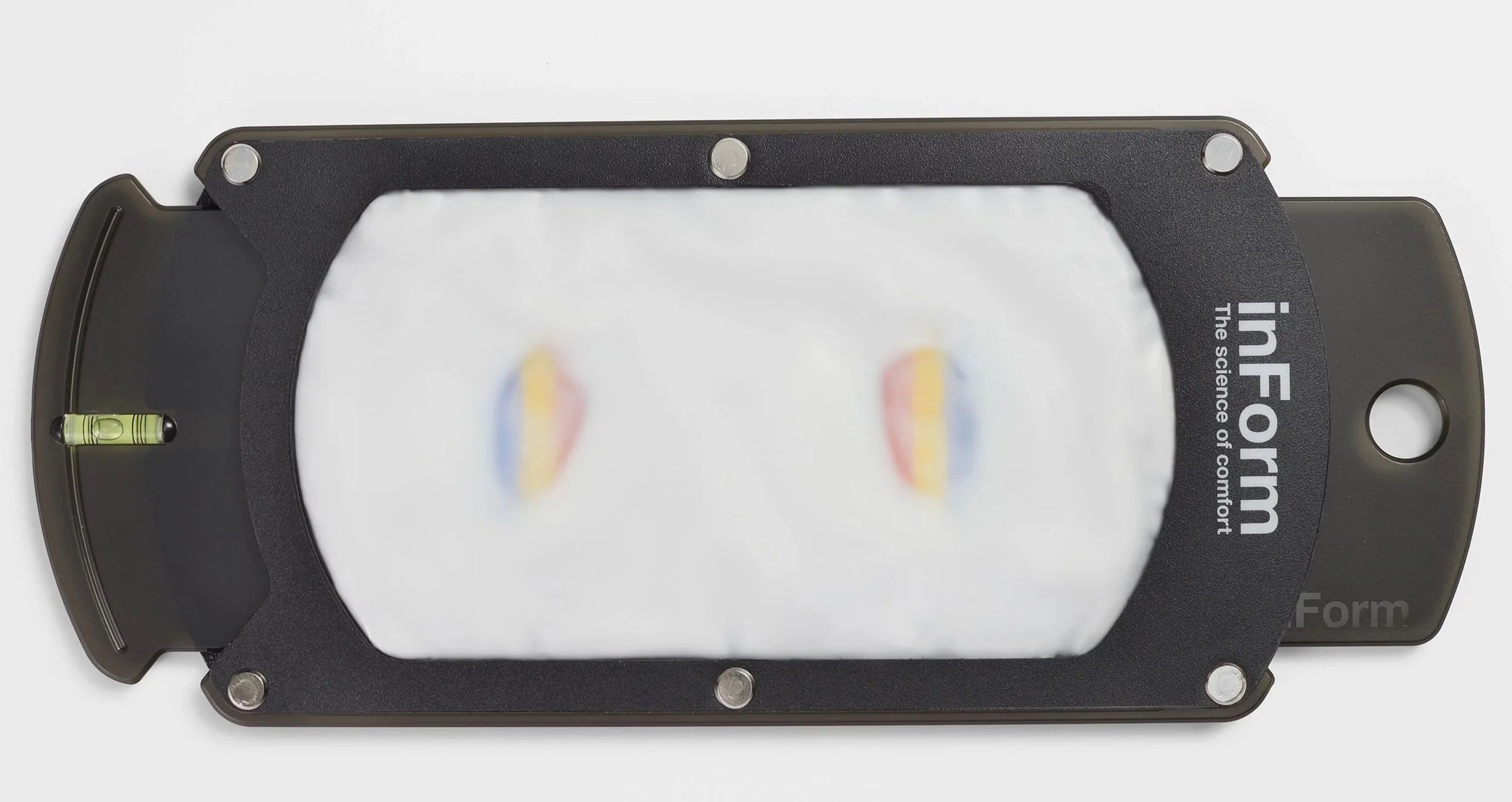
At the WORKSHOP we use an inForm sit bone measurement tool. This devise allows the customer to sit down and leave a physical impression of their sit bones. We can take a measurement off of this to determine the correct saddle width.
Every rider rotates their hips differently depending on flexibility, riding position, and bike type.
Some riders need:
Flat profiles
Curved profiles
Wide rear platforms
Relief channels
Center cut-outs
Finding the correct profile often eliminates discomfort better than adding more padding.
Different Bikes, Different Saddles
The ideal saddle also depends on how you ride.
Road bikes place you in a more aggressive position, often favoring narrower performance saddles.
Mountain bikes require freedom of movement when climbing and descending.
Gravel bikes combine efficiency with long-distance comfort.
Fitness, hybrid, and recreational bikes often benefit from slightly wider saddles designed for a more upright riding position.
One saddle doesn't fit every rider—or every bike.
Brands We Trust
At Tenafly Bicycle Workshop, we've had excellent results fitting riders with saddles from:
WTB
Excellent performance saddles with multiple widths and profiles for mountain, gravel, and road riders.
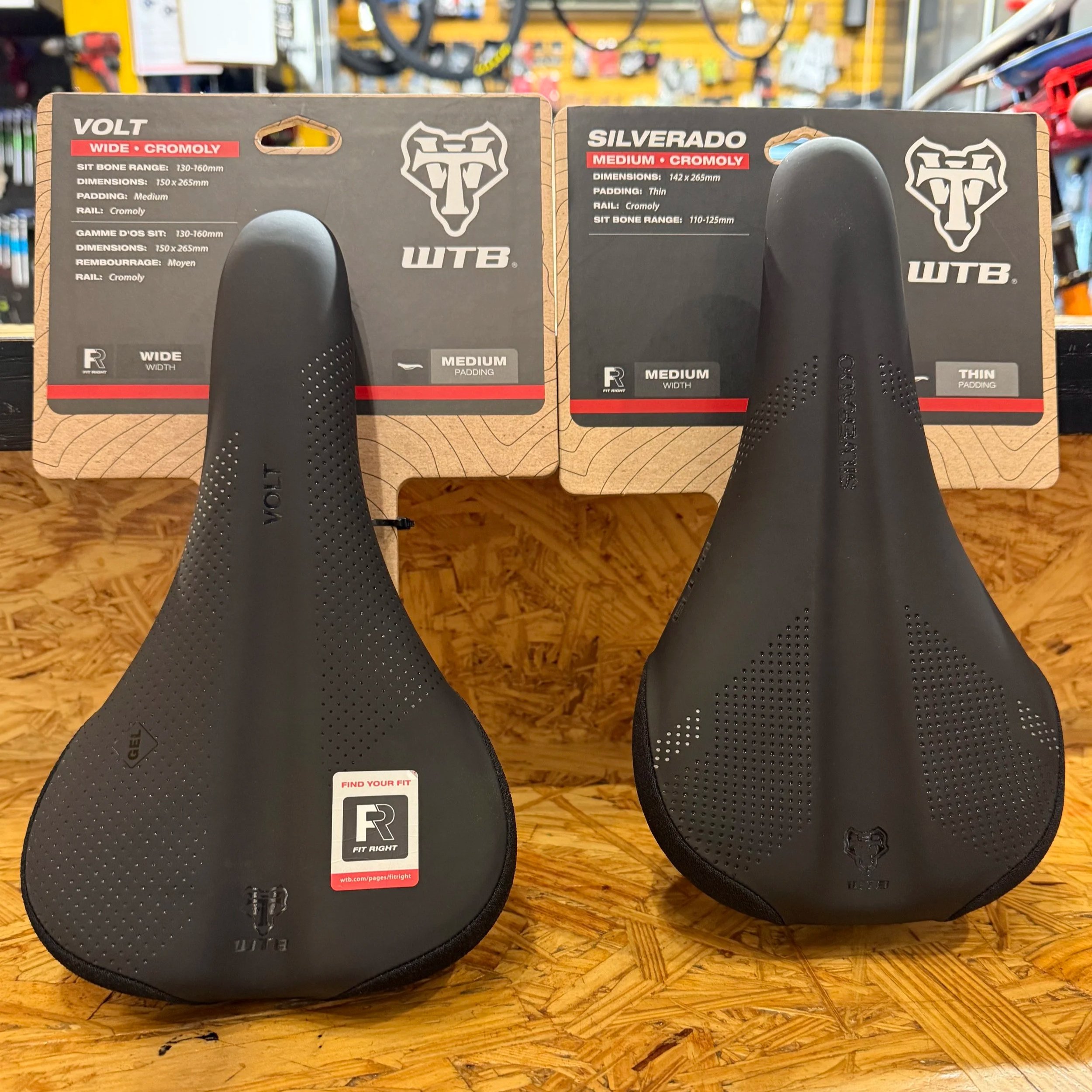
Wilderness Trail Bikes (WTB) has been a staple in our shop. It’s no wonder many bikes spec their saddles.
Ergon
Designed using extensive ergonomic research with outstanding pressure relief and comfort.
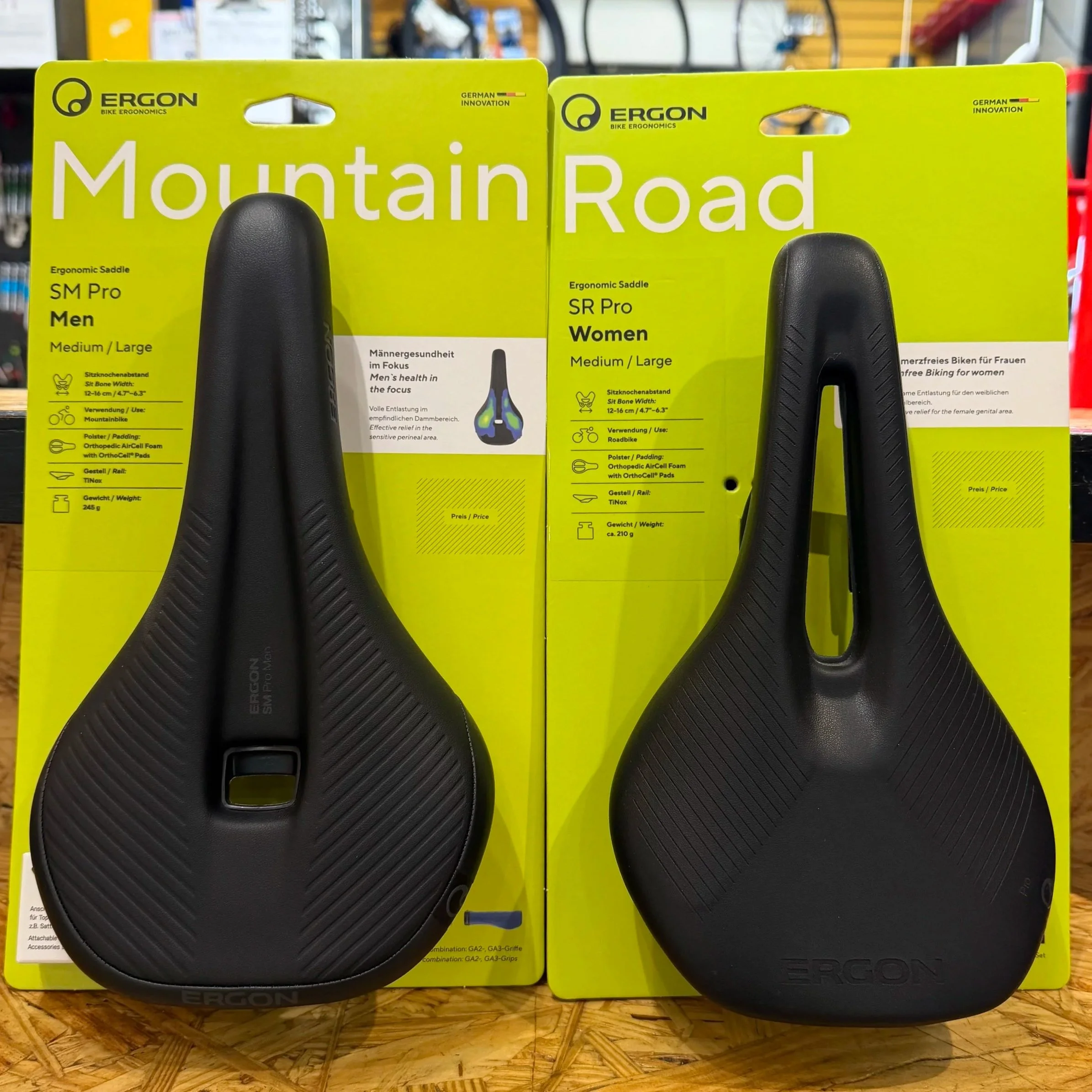
For many problem backsides, Ergon offers some solutions that work for many.
SQlab
One of the industry's leaders in sit bone measurement and ergonomic saddle design. Their sizing system helps riders match saddles to their anatomy rather than guessing.
MSW
Great comfort-oriented saddles for casual riders, commuters, hybrids, and recreational cyclists looking for all-day support.
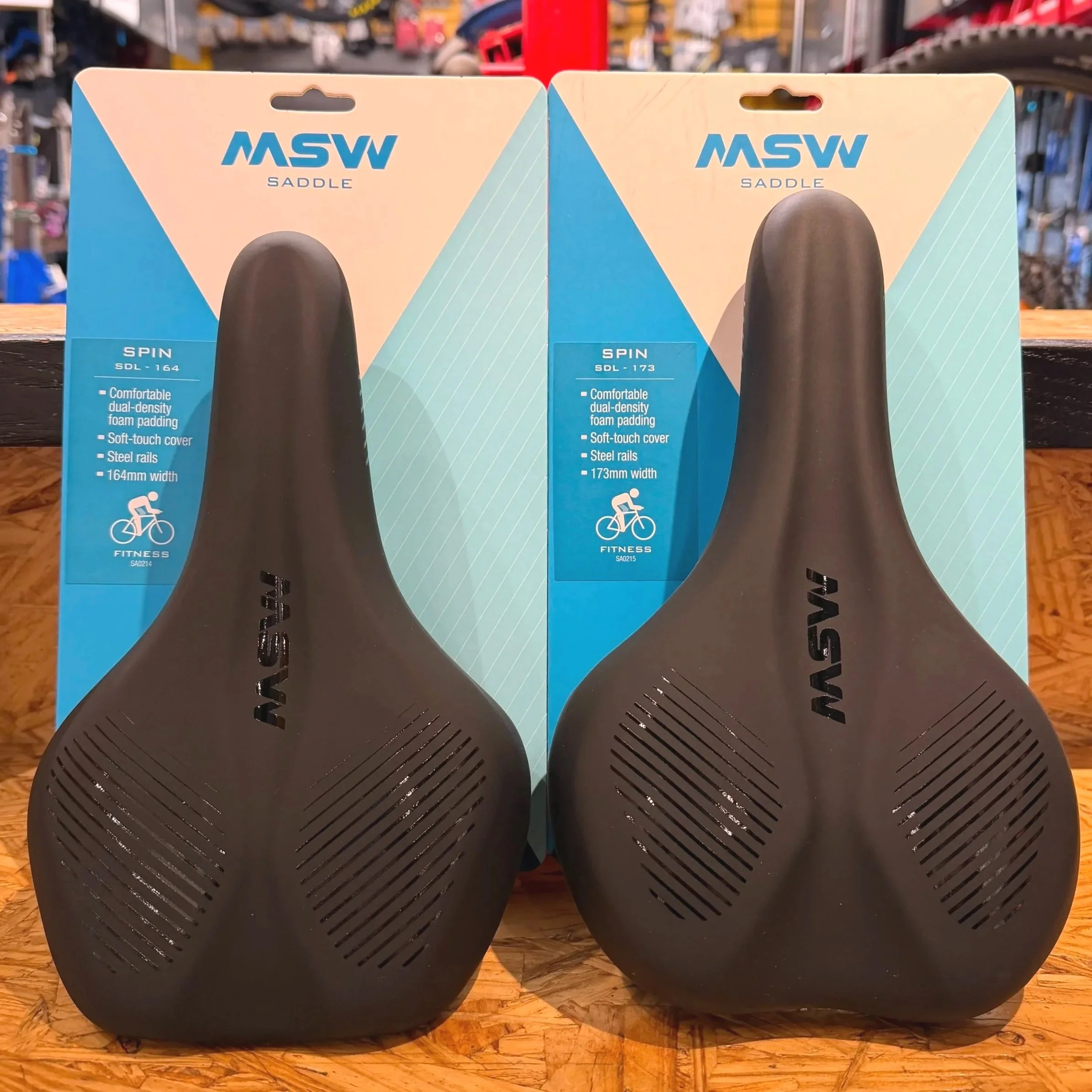
MSW makes saddles that are more cushy than most performance saddles but they are sized specific to sit bone width.
The Bottom Line (Pun intended)
If your saddle hurts, don't immediately assume you need more padding.
You may simply need:
the correct width,
the correct profile,
or the correct riding position.
A properly fitted saddle can completely change your riding experience.
At Tenafly Bicycle Workshop, we help riders find the right saddle based on their anatomy— not marketing claims.
Because comfort starts where your body meets the bike.