Mechanical vs. Electronic Shifting: Is It Time to Make the Switch?
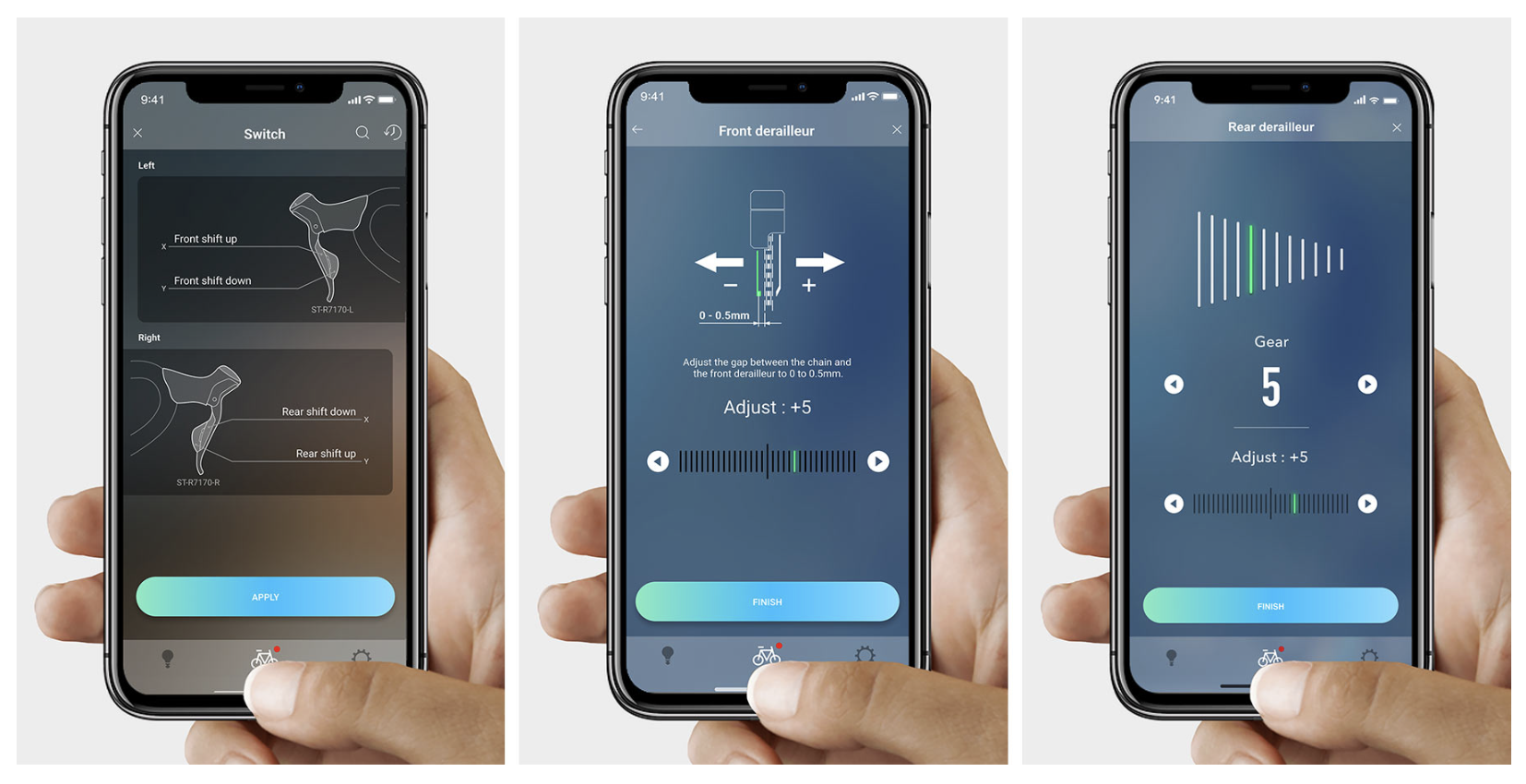
Shimano Di2 electronic Gear adjustment can be done easily with an app on your mobile devise
At Tenafly Bicycle Workshop, one of the most common questions we hear is:
"Is electronic shifting really worth it?"
The short answer? It depends.
We've built, serviced, and ridden everything from entry-level mechanical drivetrains to the latest Shimano Di2 and SRAM AXS Transmission systems. Each has its place, and each offers unique advantages depending on how—and where—you ride.
Whether you're grinding up the rocky climbs of Ringwood or Sterling Forest, racing gravel in the Hudson Valley, or enjoying a weekend road ride on route 9W, choosing the right drivetrain can make a noticeable difference in your riding experience.
Mechanical Shifting
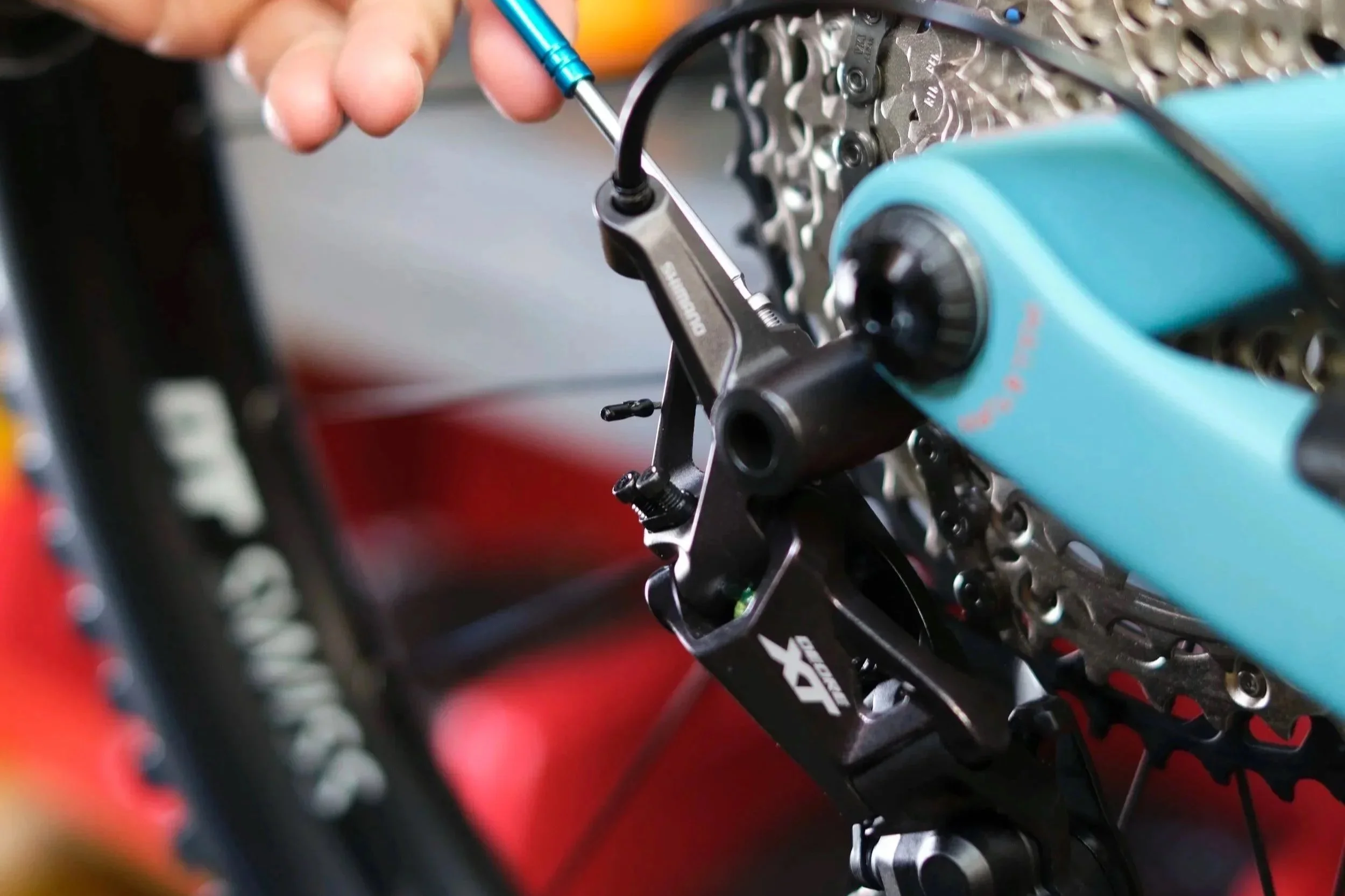
Mechanical drivetrains use cables to move the derailleur when you shift. It's the same basic technology that's powered bikes for decades—and it's still incredibly effective.
Pros
✔ Lower cost
✔ Easy to service almost anywhere
✔ No batteries to charge
✔ Proven reliability
✔ Excellent choice for recreational riders, commuters, and riders looking for maximum value
Cons
✖ Cables stretch over time
✖ Dirt and moisture increase friction
✖ Requires occasional adjustment
✖ Shifting performance gradually declines until serviced
For many riders, mechanical shifting remains the best value in cycling.
Electronic Shifting
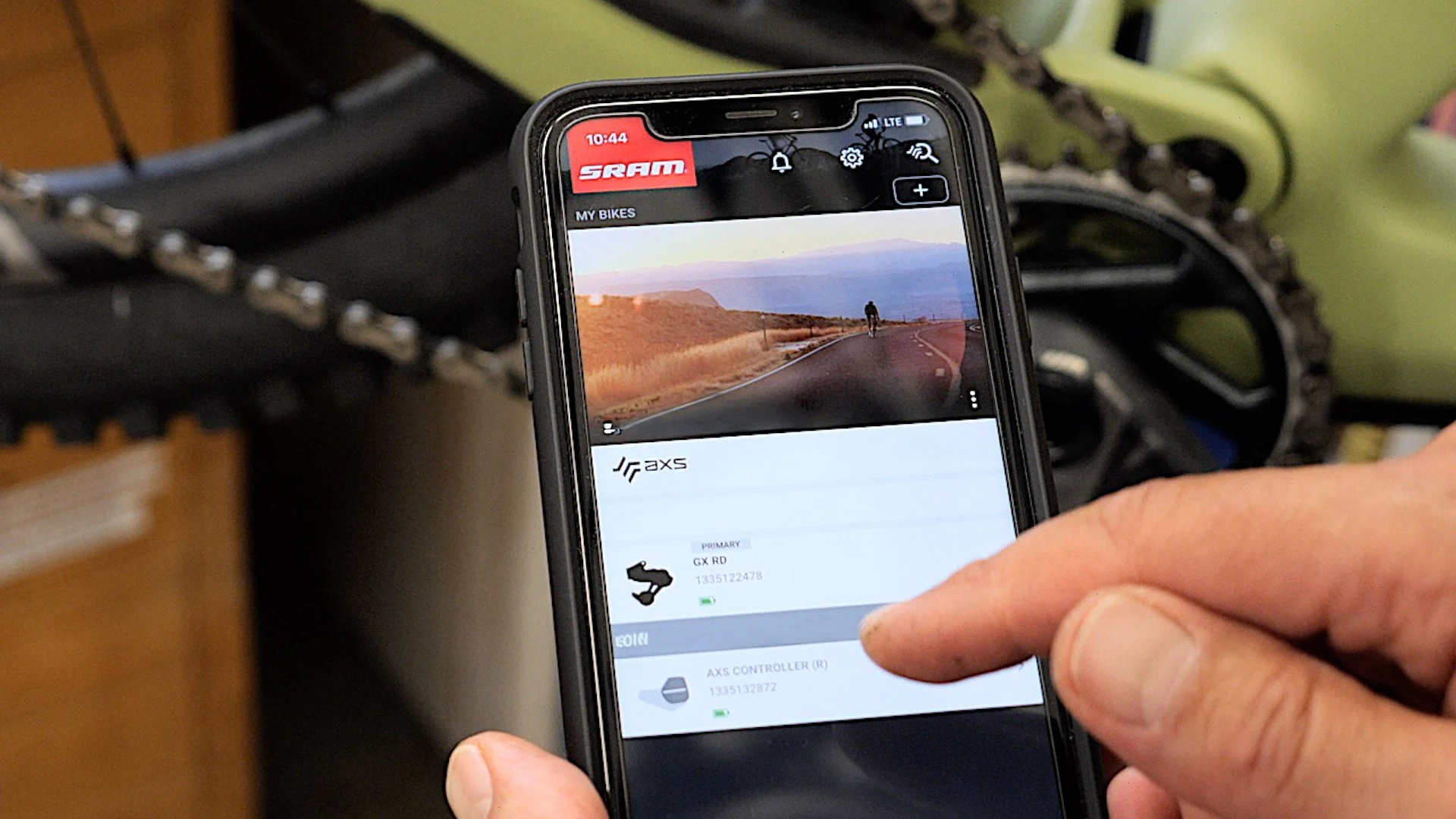
Electronic drivetrains replace cables with electric motors. Instead of pulling a lever, you simply press a button and the derailleur moves with incredible precision.
The result?
Every shift feels exactly like the last.
Pros
✔ Lightning-fast shifting
✔ Extremely accurate
✔ Virtually no cable maintenance
✔ Easy button operation with minimal hand effort
✔ Programmable controls and personalization
✔ Outstanding performance in mud, rain, and dusty conditions
✔ Better for electric bikes where there’s consistently more torque being applied to the drivetrain
Cons
✖ Higher purchase price
✖ Batteries require charging
✖ Replacement electronic parts cost more
Although the initial investment is higher, many riders find that electronic shifting quickly becomes something they never want to ride without.
Shimano vs. SRAM
This isn't a battle of "good versus bad."
It's more about personality.
Both companies build world-class drivetrains.
They simply take different approaches.
Shimano
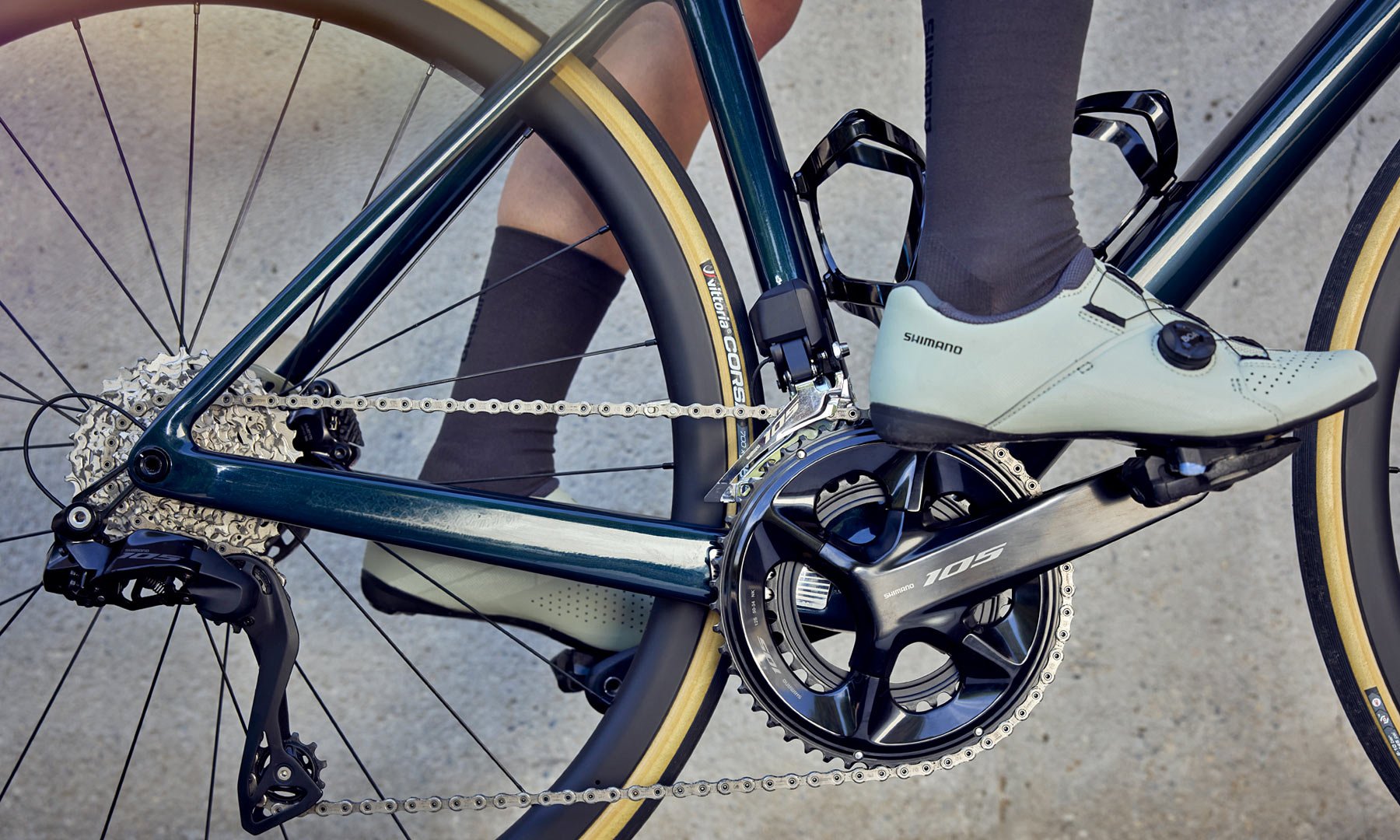
Shimano has earned its reputation through smoothness, refinement, and consistency.
Shimano drivetrains utilize a derailleur hanger and don’t require a Universal Derailleur Hanger (UDH) making them more backwards compatible on older frames.
We frequently recommend Shimano for road riders who value seamless shifting and exceptional braking performance.
What we like
✔ Hyperglide+ shifts exceptionally well while climbing under load.
✔ Ergonomics feel familiar to longtime Shimano riders.
✔ Outstanding hydraulic brake performance.
✔ Excellent reliability across every price point.
Shimano offers fantastic options whether you're shopping for your first mountain bike or building your dream road bike.
SRAM
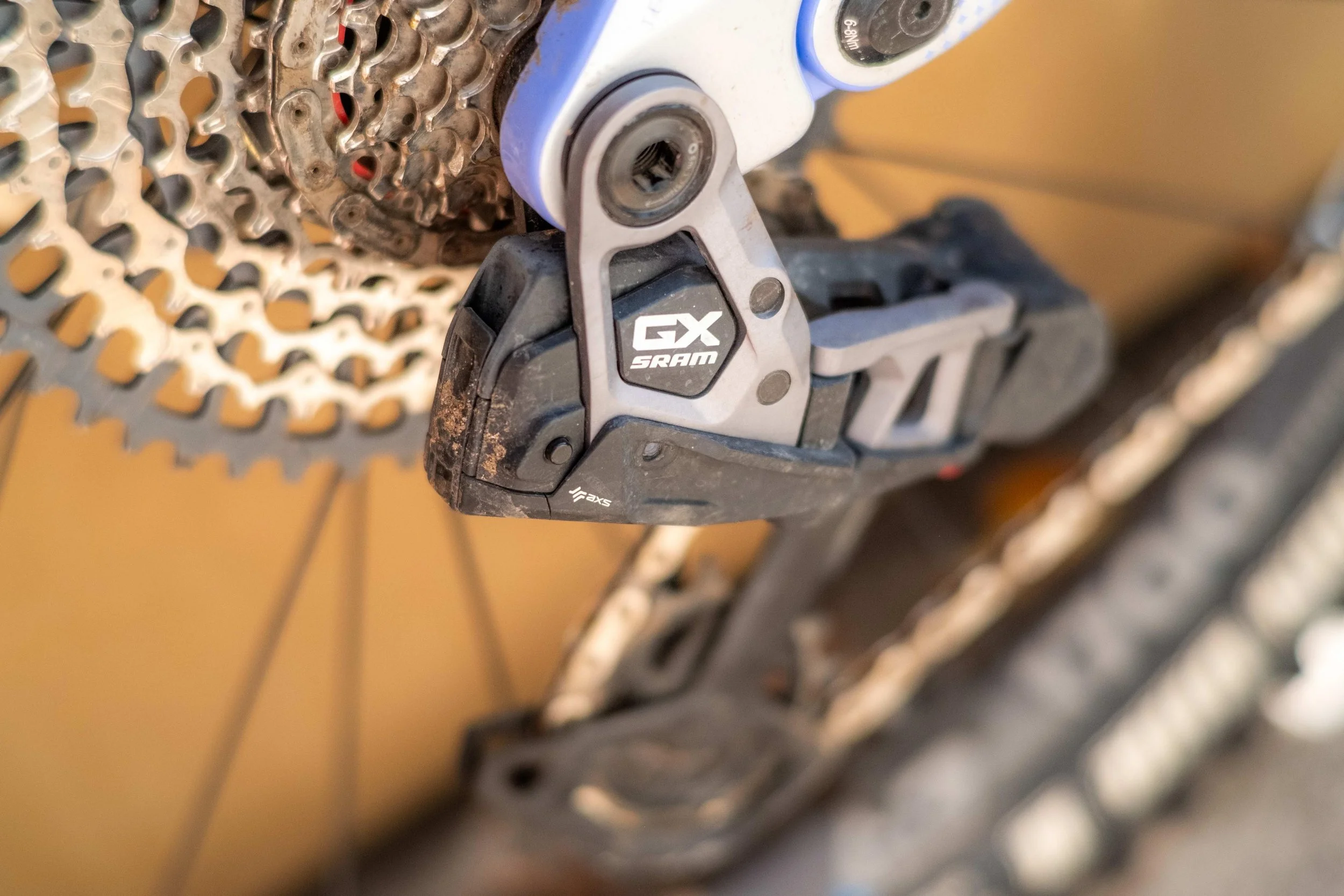
SRAM has pushed innovation with wireless technology and simplified drivetrain design.
On mountain and gravel bikes, SRAM has focused on the ability to shift under load in any trail or road conditions. They also offer an integrated mounting system with their T-Type drivetrains for frames with a UDH.
The latest AXS systems have transformed bike setup by eliminating shift cables altogether.
What we like
✔ Completely wireless installation
✔ Batteries are removable and you can carry a spare when you ride
✔ Crisp, positive shifting
✔ Easily programmable through the SRAM AXS app
✔ Transmission drivetrains are incredibly durable and shift remarkably well under power
✔ The latest iteration of SRAM road brakes have much better stopping power and better rotor clearance
Many mountain bikers love SRAM's clean cockpit and the confidence that comes with Transmission's direct-mount design.
The new SRAM Road 13 speed allows for a 1x set-up (rear derailleur only) without sacrificing large gear jumps throughout the range.
Which Feels Better?
This is where personal preference matters.
Many riders describe Shimano as feeling smooth, refined, and almost effortless.
SRAM tends to feel more positive and mechanical, with a distinct click that lets you know the shift happened.
Neither is better.
They're simply different experiences.
Battery Anxiety?
We hear this concern all the time.
"What if the battery dies during my ride?"
In reality, it's rarely an issue.
Modern electronic drivetrains provide plenty of warning before the battery gets critically low.
Charging becomes part of the same routine as charging your cycling computer, lights, or phone.
With SRAM drivetrains, a spare battery can be quickly swapped and is small enough to carry in a saddle bag of hip pack.
At the shop, we simply tell customers:
If you can remember to charge your Garmin, you can remember to charge your drivetrain.
So...Which Should You Buy?
Mechanical is probably right for you if:
• You're shopping within a budget
• You enjoy doing your own maintenance
• You ride recreationally
• You prefer proven simplicity
Electronic is probably right for you if:
• You ride several times each week
• You race or train seriously
• You appreciate premium performance
• You want every shift to be perfect
• You'd rather ride than adjust cables
Our Recommendation
At Tenafly Bicycle Workshop, we don't believe there's a "best" drivetrain—only the best drivetrain for you.
We'll ask about where you ride, how often you ride, your goals, and your budget before recommending anything.
Some riders will be happiest on a Shimano Deore mechanical drivetrain.
Others will appreciate everything SRAM GX Eagle Transmission or Shimano XT Di2 has to offer.
Both are excellent choices when they're matched to the right rider.
That's why we stock, install, and service both Shimano and SRAM. Our goal isn't to steer you toward one brand—it's to help you find the drivetrain that makes every ride more enjoyable.
Stop by and Try Them Yourself
Reading reviews is helpful, but nothing replaces hands-on experience.
Visit Tenafly Bicycle Workshop and we'll walk you through the differences, let you feel both systems, and answer your questions. Whether you're upgrading your current bike or shopping for a new one, we'll help you choose the drivetrain that best fits your riding style.
One shop, one mission: To get more people riding bikes and make more places for you to ride.