Every product we bring into the shop is hand selected. Our choices aren’t based on reviews, marketing hype, or the latest media buzz—they’re based on our own experience using the products ourselves. Before something earns a place on our shelves, we ride it. Not just for a few laps around the block, but over an extended testing period in real riding conditions.
Unlike many shops, we don’t simply take a sales rep’s word for it. We typically bring in one or two units and put them through their paces with long-term testing. We’re not only looking for performance, but also durability. Plenty of manufacturers can make a product that feels great on the first few rides, but not everything holds up over time. When we recommend something to our customers, it’s because we’ve trusted it ourselves.
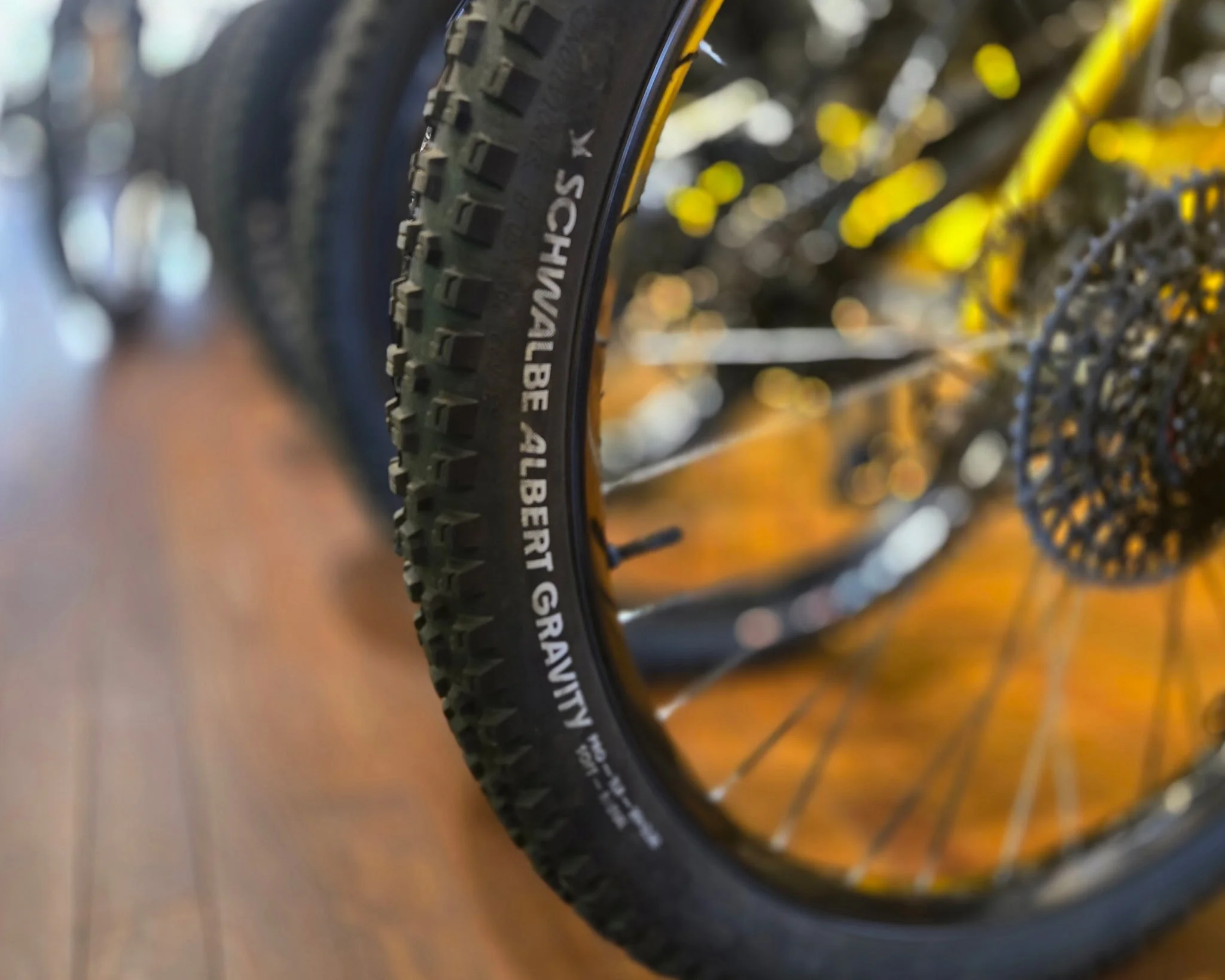
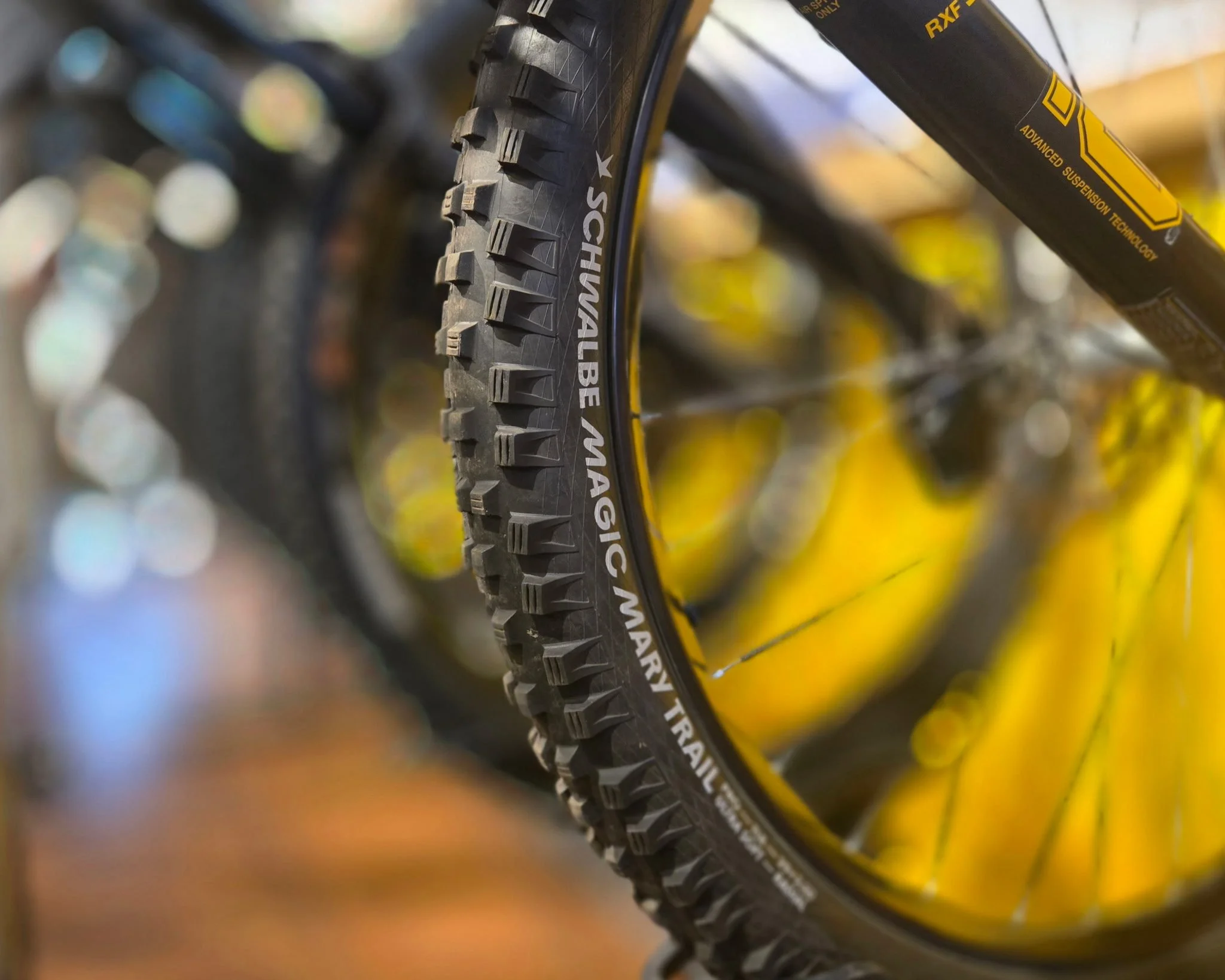
One of our latest recommendations for riders tackling our local, rockier trail systems—like Ringwood and Sterling Forest—has been Schwalbe’s Radial tires. After riding them extensively throughout an entire season, we’ve learned quite a bit about how they perform on our terrain.
Here’s a breakdown of the pros and cons of radial tires and what we’ve discovered after putting them through real-world testing.
Schwalbe Radial Tires – Pros & Cons
After riding Schwalbe’s radial tires for an entire season, we’ve developed a pretty solid understanding of where they shine and where they may not be for everyone.
Pros
✅ Improved traction
Radial construction allows the tire casing to conform to the terrain more naturally. On rocky and technical trails, this translates into noticeably better grip and control.
✅ More comfort and damping
The tire absorbs small impacts better than traditional casings, reducing trail chatter and making rough terrain feel smoother.
✅ Better cornering stability
Because the casing deforms more evenly across the larger contact patch, the tire stays planted through corners and off-camber sections.
✅ Higher tire pressures
Radial tires tend to perform well at higher pressures while still feeling like they are at lower pressure. Running higher pressures makes the tires run fast and reduces pinch flats and punctures.
Cons
❌ Heavier than traditional casings
Radial construction adds some weight, which riders who prioritize ultra-light setups may notice.
❌ Different ride feel
The more compliant casing can feel unfamiliar at first, especially for riders used to stiffer sidewalls.
❌ Limited model availability
Radial technology is still relatively new, so tire model and size options are more limited compared to traditional casings.
Our Take
For riders tackling technical, rocky terrain like we see locally and at the bike park, radial tires offer a noticeable improvement in traction, control, and ride quality. They may not be the lightest option on the market, but for riders prioritizing grip and confidence on demanding trails, they’re absolutely worth considering.