The backcountry rider takes preparedness to the next level. This type of ride typically means long distances, remote terrain, limited cell service, and little chance of outside help if something goes wrong. Whether it’s a full day deep in the woods, a long gravel adventure, or a bikepacking trip, this rider plans for self-sufficiency.
Unlike the minimalist or day tripper, the backcountry rider assumes that mechanical issues, weather changes, or unexpected delays are not just possible—they’re likely. The goal isn’t to carry everything, but to carry the tools and supplies necessary to solve most problems and safely get home.
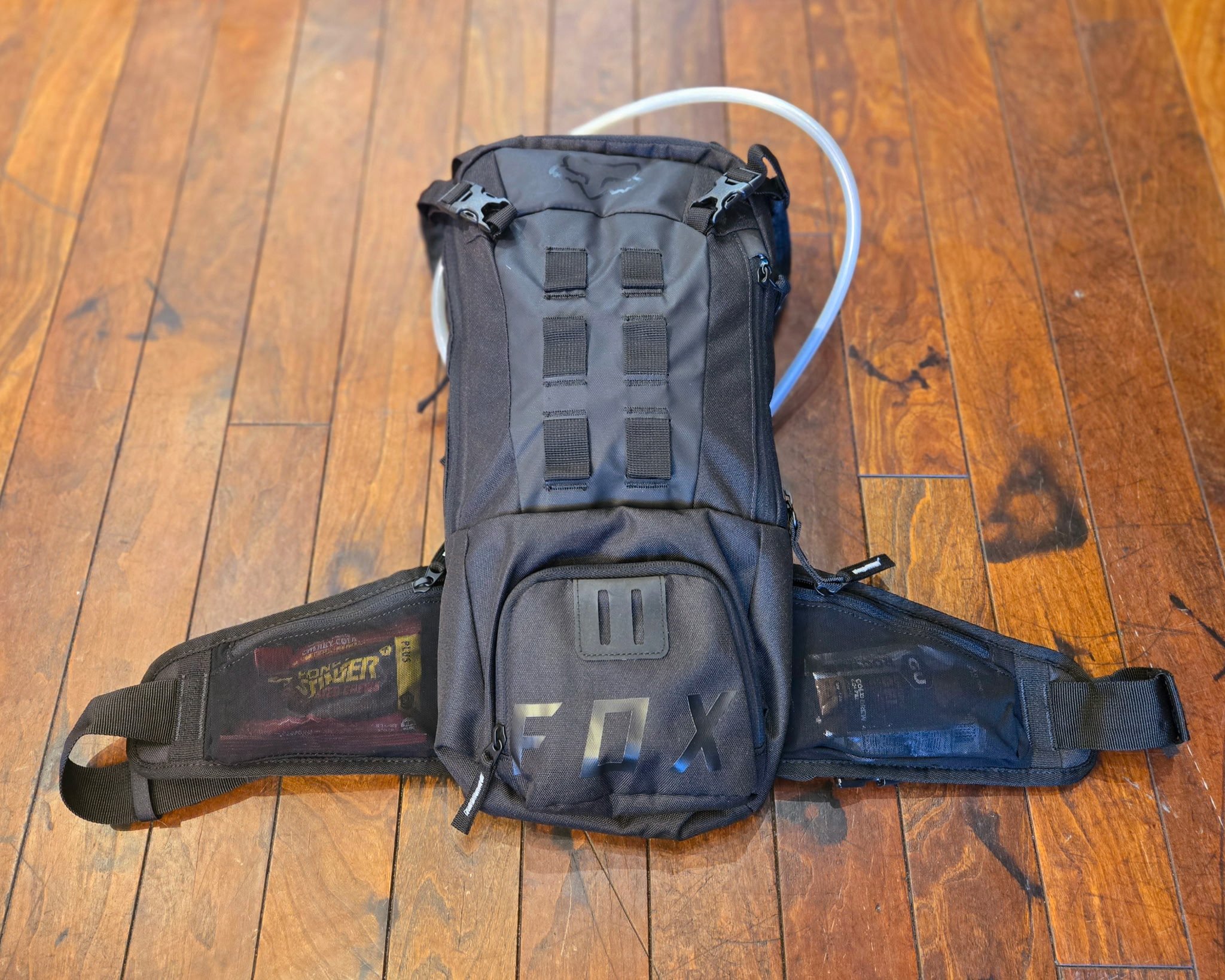
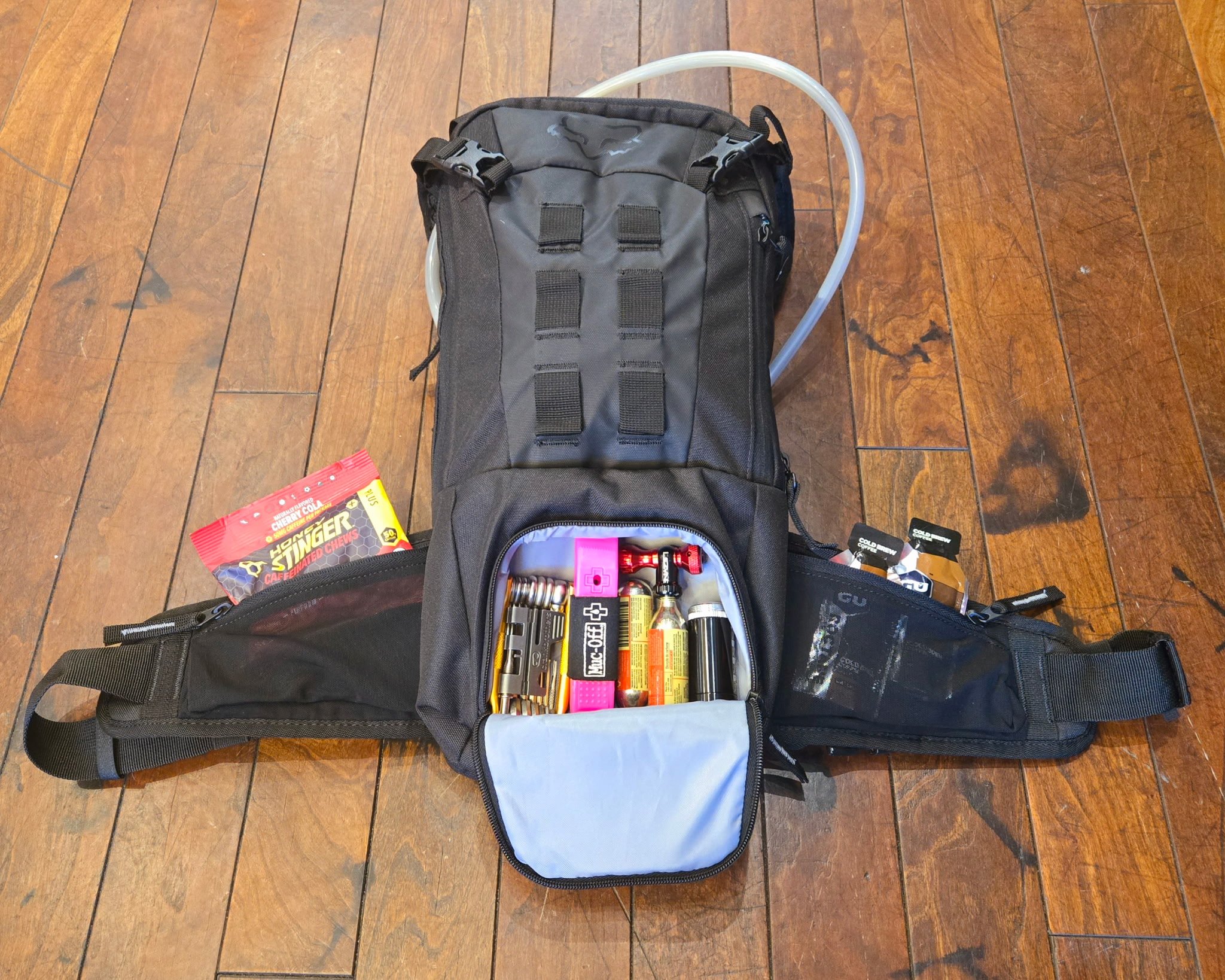
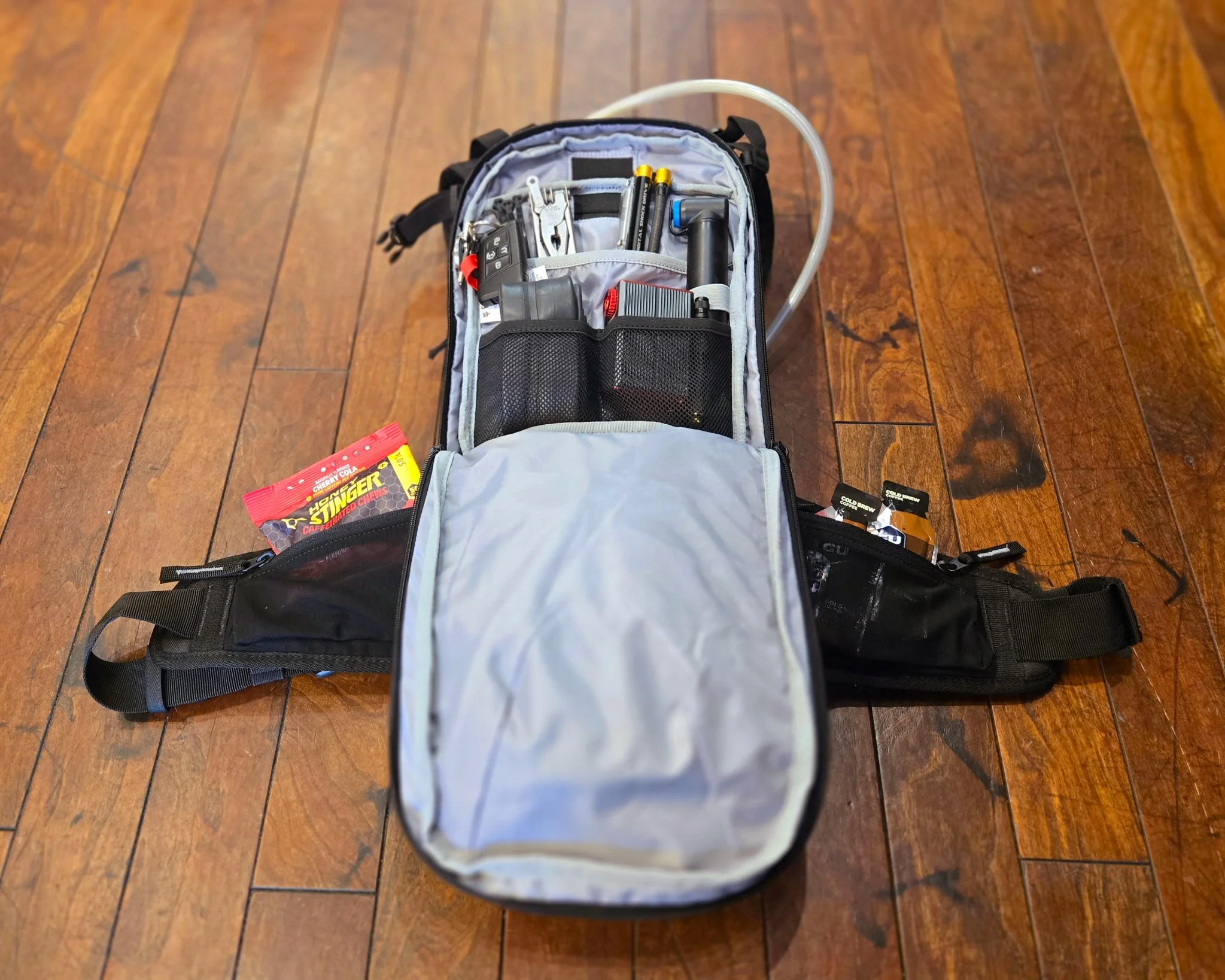
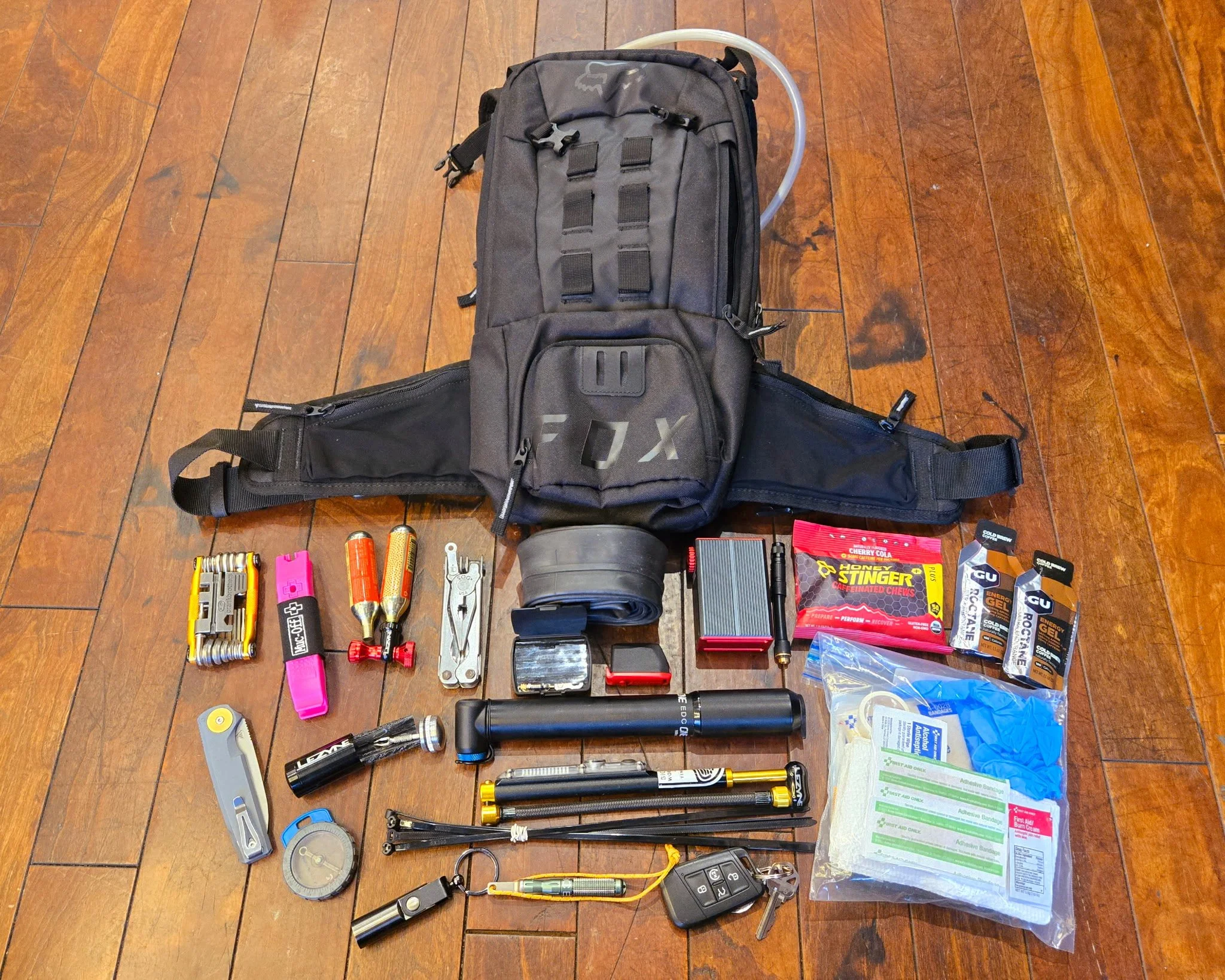
Typical Backcountry Kit
Bike repair essentials
Tube (or tubeless plug kit + backup tube)
Tire levers
Mini hand pump
CO₂ inflator and cartridge (optional backup)
Multi-tool with chain breaker
Spare quick link / master link
Patch kit
Knife, weatherman, or multitool with pliers
Flashlight
Spare derailleur hanger
Zip ties and small roll of tape
Personal gear
Hydration pack or multiple water bottles
Extra food and nutrition
Phone, ID, and emergency contact info
Small first-aid kit
Lightweight rain or wind jacket
Arm warmers or extra layer
Cash or card
Basic navigation (GPS device or route downloaded)
Extra items
Small bottle of chain lube
Spare battery for electric drivetrains
Compass
Mini shock pump
Small backup phone charger
Small water filter or iodine tablets
Best For
Remote mountain bike trails
Long gravel adventures
Bikepacking trips
Backcountry trail systems
All-day exploratory rides
The backcountry setup provides the confidence to venture far from home and explore places where self-reliance matters. With the right preparation, riders can focus on the adventure ahead instead of worrying about what might go wrong.
Finding the Right Balance
Every rider has a different tolerance for risk, weight, and preparedness. Some prefer the freedom of a minimalist setup, carrying only the absolute essentials for a quick ride close to home. Others lean toward the day tripper approach, adding a few extra tools and supplies to stay comfortable and independent on longer routes. And for riders venturing far into the backcountry, being fully prepared becomes part of the adventure itself.
There’s no single “correct” setup. The right combination depends on where you’re riding, how long you plan to be out, and how far you’ll be from help if something goes wrong. The key is finding the balance that allows you to ride confidently without carrying unnecessary weight.
No matter which approach you take—minimalist, day tripper, or backcountry—being prepared keeps small problems from turning into big ones. With the right gear and a little planning, you can focus on what matters most: enjoying the ride.
If you’re unsure what setup works best for your riding style, stop by the shop and we’d be happy to help you build the right kit for your next adventure.