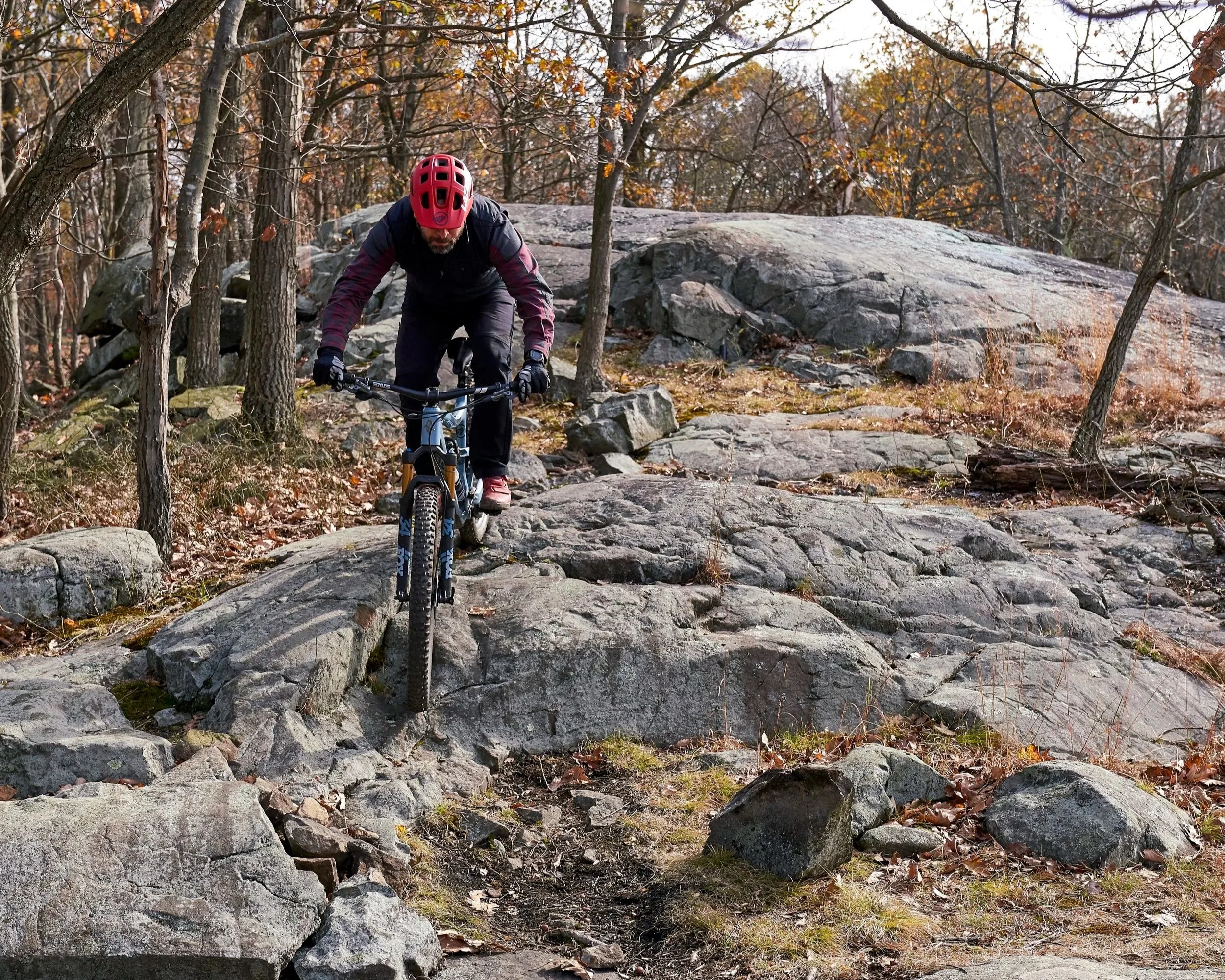
MTB Tires Part 3 - The Insert Advantage
Above are cutouts showing the different options for tire inserts, some offering rim protection while others greatly reduce volume of air inside the tires while protecting the rim at the same time.
There’s a moment on the trail we all know.
You come in a little hot. You pick a line that’s maybe not perfect.
There’s a sharp edge, a square hit, a rock you didn’t quite unweight for—and then…CLANK.
That sound lives somewhere between your rim, your wallet, and your soul.
Tire inserts exist to silence that moment.
What They Are (And What They’re Not)
At their simplest, tire inserts are foam rings that sit inside your tire, between the casing and the rim.
They’re not suspension.
They’re not a magic fix.
But they do three things exceptionally well:
Protect your rims
Support your sidewalls
Let you run lower pressure with control
And that changes how a bike rides.
The Real Benefit Isn’t Protection
Yes, they save rims. Yes, they reduce flats.
But that’s not why most riders keep them.
The real benefit is confidence.
Lower tire pressure means more traction. More traction means better braking, better cornering, and a bike that feels glued to the ground instead of dancing on top of it.
Inserts let you access that without the usual downside.
Less guesswork. Less hesitation. Fewer consequences when you get it wrong.
What Is a Tire Insert?
A tire insert is a rubber or foam ring that sits inside your tire, between the rim and the tire casing.
It’s designed to:
Absorb impacts
Protect your rim
Support the tire sidewall
Think of it as suspension for your tire.
Why Riders Use Them
At their best, tire inserts don’t just protect your bike—they improve how it rides.
✅ Rim Protection
If you’ve ever dented a rim or felt that harsh “clank” on a rock strike, you already understand the value. Inserts act as a buffer between the rim and the trail.
✅ Fewer Flats & Sidewall Damage
Running lower pressures without inserts can lead to burping or sidewall cuts. Inserts help stabilize the tire and reduce those risks.
✅ Better Traction
Lower tire pressure = more grip. Inserts allow you to safely drop PSI, which translates to better cornering and braking traction.
✅ Improved Ride Feel
There’s a noticeable damping effect. The bike feels more planted, especially in rough, fast terrain.
The Trade-Offs
Nothing comes for free.
❌ Added Weight
You’re adding rotating mass. Strong riders won’t mind—but it’s there.
❌ Installation Complexity
They can be frustrating to install, and trailside repairs are more involved.
❌ Cost
Another upgrade in a sport full of them.
Who Should Run Tire Inserts?
This is where it gets simple.
Highly Recommended For:
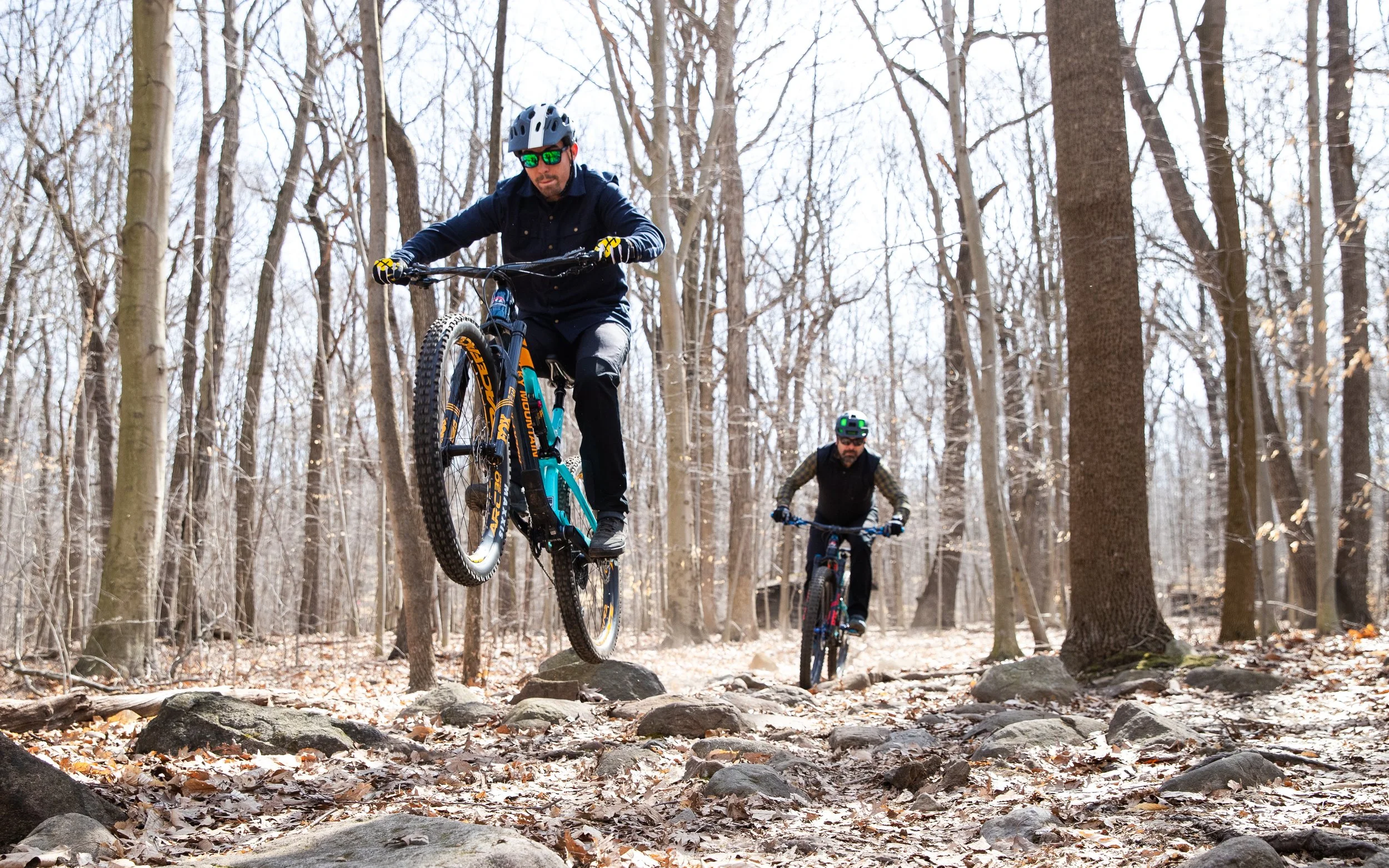
Aggressive trail / enduro riders
Bike park riders
Rocky terrain (hello Northeast)
eMTB riders (extra weight = more impact force)
Nice to Have
Intermediate riders pushing their limits
Riders experimenting with lower tire pressures
Probably Not Necessary
Casual riders
Smooth trail / flow-only riders
Riders prioritizing lightweight setups
The TBW Take
Tire inserts aren’t a gimmick—they’re a tool.
If you’re riding hard, breaking parts, or chasing more grip and confidence, they make a real difference.
If you’re cruising mellow trails and keeping things light, you may never need them.
But for many riders—especially here in the Northeast—they’ve quietly become one of the most impactful upgrades you can make.
Our general rule of thumb is if you start to run into problems with rim strikes and pinch flats or you’re blowing through tires, you should consider running inserts. You can always start with the rear only as a compromise.
Final ThoughtS
The goal isn’t to add more gear.
It’s to ride better.
And in the right conditions, tire inserts do exactly that.